Commercial Undercounter Fridge Buying Guide
Commercial Undercounter Fridge: A Practical Buying Guide
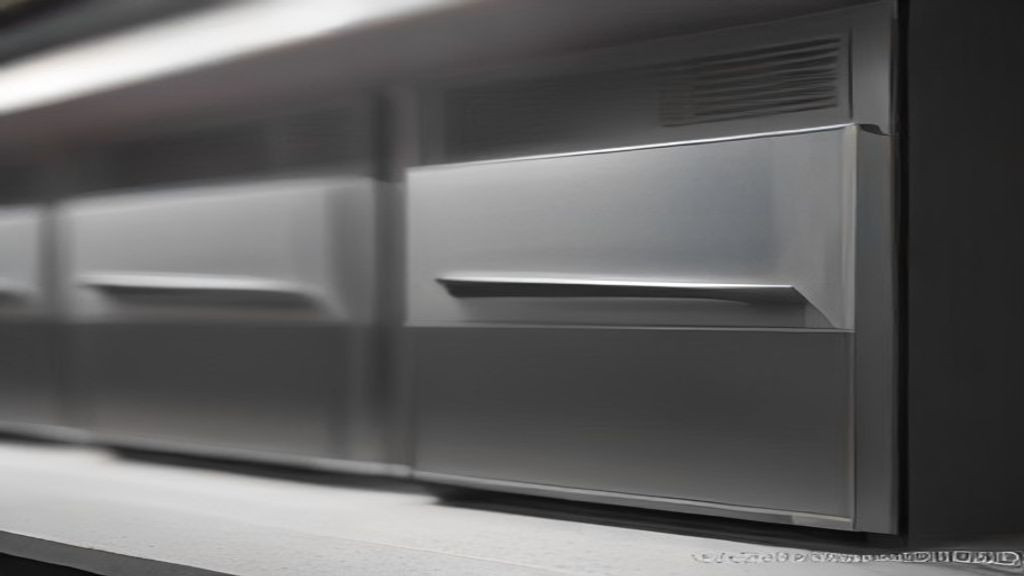
A commercial undercounter fridge keeps prep ingredients cold at the point of use, so cooks waste less time walking to a walk-in. For restaurant owners and kitchen managers, the right unit can speed service, protect food quality, and free up aisle space. For more background, see Learn more about commercial undercounter fridge.
This guide from Undercounter Refrigerator Guides walks through what buyers usually compare across brands like True, Beverage-Air, Hoshizaki, and Platinum: width and depth, doors versus drawers, temperature recovery after busy rushes, clearance for airflow, energy habits, and day-to-day cleaning.
You will not find invented model numbers or made-up wattage claims here. Instead, use these checkpoints when you read manufacturer spec sheets, talk to dealers, and match a unit to your menu and line layout.
What a Commercial Undercounter Fridge Is Best For
A commercial undercounter fridge is built for professional kitchens: stronger doors or drawers, tighter temperature control under load, and finishes that stand up to frequent cleaning. It typically sits under a worktop or in a prep line so proteins, dairy, garnishes, and mise en place stay close to the cook.
Home undercounter units are not a substitute. Commercial equipment is designed around food-safety temperature ranges, heavier opening cycles, and serviceability in restaurants, cafés, bars, and commissaries.
When undercounter beats a reach-in or walk-in alone
Use undercounter storage when speed of access matters more than bulk capacity. A walk-in still holds case goods and large prep batches; the undercounter unit holds what the station needs for the next service window. Many kitchens use both: walk-in for volume, undercounter for workflow.
Size, Layout, and Doors vs Drawers
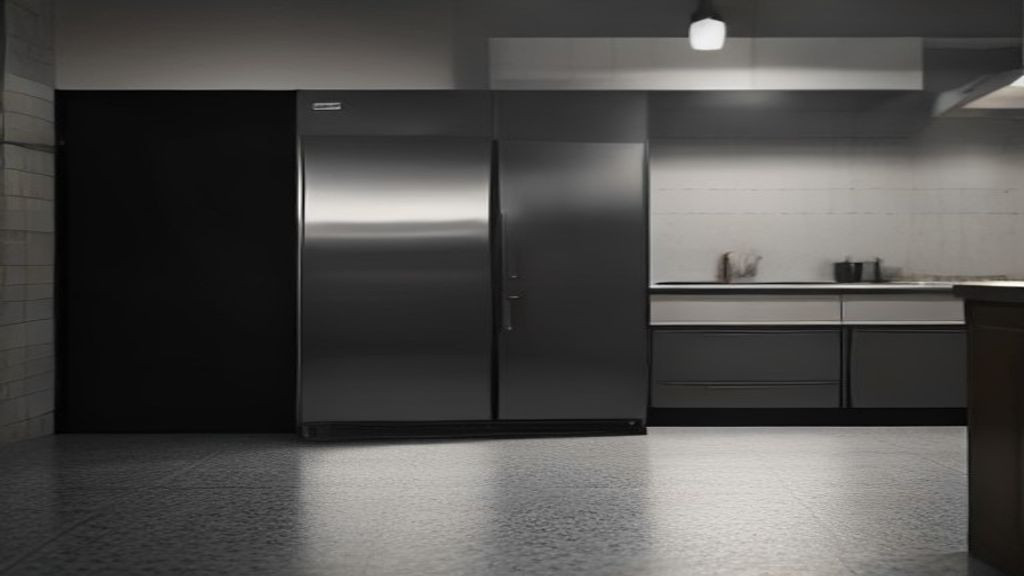
Start with the opening you actually have. Commercial undercounter refrigerators commonly come in roughly 24-inch, 36-inch, 48-inch, and wider footprints, but always confirm exterior width, depth, and height against your cutout, toe-kick, and neighboring equipment. Leave room for door swing or drawer pull, casters or legs, and any required side or rear clearance listed by the manufacturer.
Depth and height matter as much as width. A unit that fits the hole but sticks past the counter edge can block traffic or create a trip hazard. Measure twice, then compare those numbers to the published exterior dimensions-not just the nominal size in the product name.
Choosing doors or drawers
Doors are usually simpler and often cost less. They work well for sheet pans, hotel pans, bottles, and taller items if the interior shelving allows it. Drawers help when you store pans of the same type and want fast access without digging; they can also keep openings shorter during busy pulls, which may help temperature stability if staff are disciplined about closing them promptly. Match the style to how your cooks actually grab product, not to a showroom preference.
Interior layout and pan fit
Before you buy, list the pans and containers you use most. Check shelf spacing, drawer pan capacity, and whether you need adjustable shelves. A fridge that looks spacious empty can become awkward if your standard sixth pans or hotel pans do not sit cleanly.
Temperature Performance, Clearance, and Energy Use
In a commercial kitchen, the hard test is recovery: how quickly the cabinet returns to a safe holding range after doors or drawers open during peak service. Look for clear temperature claims on the spec sheet, discuss expected ambient kitchen heat with your dealer, and place the unit away from ovens, fryers, and direct sun when you can.
Airflow clearance is non-negotiable. Condenser coils need breathing room as specified by the manufacturer-often at the front grille, sides, or rear depending on the design. Blocking vents with boxes, mop buckets, or tight cabinetry is a common cause of warm product and early compressor strain.
Reading energy and operating cost clues
Compare ENERGY STAR listings when available, and ask for estimated energy use on the models you shortlist. Real costs also depend on door discipline, ambient temperature, how full you keep the cabinet, and how often coils are cleaned. A slightly higher-efficiency unit can pay back over years if your line opens the fridge hundreds of times a week.
Installation habits that protect performance
Level the cabinet so doors seal evenly. Confirm gasket integrity at delivery. Keep the front intake or grille unobstructed. If the unit has casters, lock them once it is in place. Schedule coil cleaning as part of kitchen PM-dust and grease on the condenser are a frequent reason commercial undercounter fridges struggle to hold temperature.
Cleaning, Maintenance, and Brand Comparison Tips
Daily: wipe spills, check that doors or drawers close fully, and clear anything blocking the grille. Weekly or as needed: clean gaskets with mild soap and water so they do not crack or stay sticky. Follow the maker's guidance for stainless exteriors and food-contact interiors-avoid harsh abrasives that scratch and trap soil.
When comparing True, Beverage-Air, Hoshizaki, Platinum, and similar lines, judge on fit for your station, warranty terms, local parts and service, noise in open kitchens, and documented temperature performance-not on brand loyalty alone. Ask dealers which models they stock parts for in your region and what typical lead times look like for service calls.
A short buyer checklist
Confirm exterior dimensions and required clearances. Choose doors or drawers based on pan workflow. Verify temperature range and recovery expectations for a hot kitchen. Review energy information and cleaning access to the condenser. Check warranty length on compressor and parts, plus whether installation and startup are included. Only then compare price across quotes for the same configuration.
Frequently Asked Questions
What size commercial undercounter fridge do most restaurants buy?
Many stations use 24-inch or 36-inch units, and larger lines may need 48-inch or wider models. Buy by measured opening and pan capacity, not by what is popular. Always match published exterior dimensions and clearance requirements to your space.
Are drawers better than doors on a commercial undercounter fridge?
Neither is universally better. Doors often suit mixed heights and simpler shelving. Drawers can speed access to pans and may limit how long the cabinet stays open if staff close them quickly. Choose based on how your cooks pull product during service.
How much clearance does a commercial undercounter fridge need?
Clearance varies by model. Follow the manufacturer's installation sheet for front, side, and rear airflow. As a rule, never block the condenser intake or exhaust; poor airflow is a leading cause of warm cabinets and equipment stress.
How do I keep a commercial undercounter fridge cold during rush?
Train staff to open only what they need and close promptly, avoid parking the unit next to high-heat equipment when possible, keep coils clean, and do not overfill so air can circulate. If recovery is still slow, have a tech check gaskets, refrigerant, and condenser condition.
Is a commercial undercounter fridge more energy-efficient than a reach-in?
Energy use depends on cabinet size, insulation, compressor design, usage pattern, and kitchen ambient heat. Smaller undercounter units can use less energy than large reach-ins simply because of volume, but heavy open-close cycles can erase that advantage. Compare published energy data for the exact models you are quoting.
How often should I clean the condenser on an undercounter refrigerator?
Many kitchens clean condensers on a monthly cadence, and more often in greasy or dusty environments. Follow the manufacturer's maintenance schedule and increase frequency if the unit runs warm or the grille looks coated. Regular cleaning protects temperature and compressor life.
Conclusion
The best commercial undercounter fridge for your kitchen is the one that fits the cutout, matches how your team stores pans, recovers temperature after rush openings, and can be cleaned and serviced without drama. Measure carefully, insist on real clearance and energy details from the manufacturer, and shortlist brands your local techs actually support.
When you are ready to compare options, gather exterior dimensions, door or drawer preference, warranty terms, and two or three dealer quotes side by side. Undercounter Refrigerator Guides is here to help you ask sharper questions before you buy-so cold storage supports the line instead of slowing it down.
Looking for a ready-to-order option? Explore this commercial undercounter fridge on HorecaStore.
Related Products & Guides
- Undercounter Commercial Fridge
- Undercounter Refrigerator Commercial
- True Commercial Undercounter Refrigerator


Comments
Post a Comment