Undercounter Refrigerator Price Guide for Kitchens
Undercounter Refrigerator Price: What Commercial Buyers Should Expect
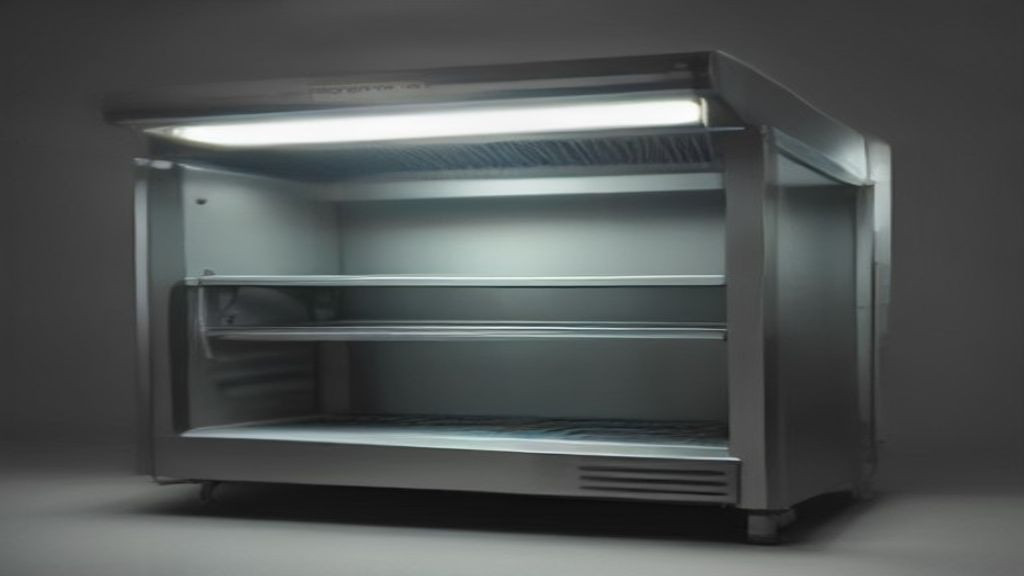
If you are comparing undercounter refrigerator price options for a restaurant or prep line, sticker cost alone rarely tells the full story. Width, door or drawer layout, compressor placement, and how quickly the unit recovers temperature after busy service all affect what you actually pay over time. For more background, see Learn more about undercounter refrigerator price.
Undercounter Refrigerator Guides helps kitchen managers and buyers weigh commercial models from brands such as True, Beverage-Air, Hoshizaki, and Platinum against real kitchen constraints. This guide breaks down what drives pricing, which specs matter on the line, and how to avoid paying for features you will not use.
Use it as a practical checklist before you request quotes, so you can compare like-for-like units instead of mixing residential looks with commercial workloads.
What Drives Undercounter Refrigerator Price
Commercial undercounter refrigerator price typically reflects cabinet width, refrigerated volume, door versus drawer configuration, stainless build quality, and whether the refrigeration system is designed for continuous restaurant duty. Front-breathing units that fit tight undercounters often cost more than similar-capacity models that need generous rear clearance, because the engineering must move heat in a confined space.
Brand positioning also matters. Established commercial lines from True, Beverage-Air, Hoshizaki, and comparable makers usually price above entry-level imports, partly due to service networks, parts availability, and proven performance under door-open cycles. Always ask whether the quoted price includes casters, shelves, door locks, or installation accessories, since those add-ons change the out-the-door total.
Typical price ranges buyers see
Market listings for commercial undercounter refrigerators commonly span from lower-cost single-section units into higher-priced dual-section or drawer models, with premium stainless and specialty configurations at the top end. Exact dollars shift by region, dealer, and promotions, so treat ranges as planning bands and confirm current quotes with local suppliers.
When two units look similar on paper, check warranty length, compressor type, and whether the evaporator is accessible for cleaning. Those details often explain a price gap better than cabinet finish alone.
Doors vs drawers and why cost differs
Door models are often the more affordable starting point for bulk storage of pans and packaged product. Drawer units usually command a higher undercounter refrigerator price because they need stronger slides, tighter seals, and layouts that keep cold air in during frequent openings.
Choose drawers when chefs grab mise en place constantly and need organized, reachable storage. Choose doors when you store larger containers and open the unit less often during peaks.

Specs That Affect Value More Than the Sticker
A lower purchase price can become expensive if the unit cannot hold set point when the line is hot and doors stay open. Focus on temperature recovery, airflow around the condenser, and whether the unit is listed for commercial use rather than light-duty or residential duty cycles.
Also match the footprint to your undercounter bay. Common commercial widths include roughly 27-inch single sections and 48-inch or wider two-section cabinets, but always measure the opening, account for handles and hinges, and confirm left or right hinge needs before you buy.
Clearance, ventilation, and install space
Front-breathing undercounter refrigerators are built for tight spaces where rear clearance is limited, which is common on chef bases and prep stations. Side and rear breathing designs may need more open space; ignoring that requirement can raise energy use and shorten compressor life.
Leave room for door swing, drawer pull-out depth, and nearby heat sources such as ovens or dishwashers. Poor placement is one of the fastest ways a fair purchase price turns into service calls.
Energy use, cleaning, and ownership cost
Energy consumption depends on ambient kitchen heat, how often staff open the unit, gasket condition, and condenser cleanliness. A slightly higher undercounter refrigerator price on an efficient commercial model can pay back through lower utility bills and fewer temperature alarms.
Plan a simple cleaning routine: wipe gaskets, clear debris from the condenser area on the schedule your manufacturer recommends, and check drains so melt water does not create odor or ice issues. Units that are easy to access for cleaning usually cost less to keep performing.
How to Compare Brands and Get a Fair Quote
When you line up True, Beverage-Air, Hoshizaki, Platinum, and other commercial options, compare the same width class, door or drawer count, and intended use case. Ask each dealer for lead time, warranty coverage on the compressor and parts, and whether local technicians know that brand.
Request an itemized quote that separates the cabinet, freight, installation, and any extended warranty. That makes undercounter refrigerator price comparisons honest and helps you spot deals that look cheap until delivery and setup are added.
Buyer checklist before you order
Confirm voltage and plug type match your kitchen circuit, measure the undercounter opening in width, depth, and height, and decide whether you need doors, drawers, or a chef-base style layout. Note whether you need a worktop surface, pan rails, or simply cold storage under an existing counter.
Ask about temperature set points suitable for the products you store, and verify the unit is appropriate for refrigerated-not freezer-duty if that is what you need. Clear requirements up front reduce change orders and surprise costs after delivery.
Budget Tips Without Cutting Corner Safety
Stretch your budget by buying the capacity and access style you will use daily, not the largest cabinet that fits. Oversized empty space still costs to cool, while an undersized unit forces overflow storage that breaks food safety habits.
Consider certified refurbished or dealer-demo commercial units only when warranty and service support are clear. For a busy restaurant, a reliable used commercial undercounter with documented history can beat a no-name new unit on total cost-if inspection and parts access check out.
When paying more is the smarter move
Spend more when your line has high ambient heat, constant door traffic, or limited ventilation. In those conditions, stronger recovery and a serviceable commercial design usually protect food quality better than chasing the lowest undercounter refrigerator price.
Also prioritize brands and dealers that can ship replacement gaskets, shelves, and fans quickly. Downtime during service often costs more than the premium on a well-supported model.
Frequently Asked Questions
What is a typical undercounter refrigerator price for commercial kitchens?
Commercial undercounter refrigerator price varies widely by width, doors versus drawers, stainless construction, and brand. Plan with current local dealer quotes rather than a single national number, and compare units in the same size and duty class so the totals are meaningful.
Why do drawer undercounter refrigerators often cost more than door models?
Drawer units generally need heavier hardware, precise sealing, and designs that limit cold loss during frequent openings. That engineering and material cost usually raises the purchase price compared with similar-width door cabinets.
Does brand affect undercounter refrigerator price more than size?
Both matter. Size and configuration set the baseline, while brand often reflects build consistency, warranty, and parts availability. For restaurant use, service support can justify a higher price than an unknown import of similar dimensions.
How can I lower ownership cost after buying?
Keep condenser areas clean, maintain door or drawer gaskets, avoid blocking airflow, and train staff not to prop units open. Those habits protect temperature stability and help the unit use less energy over its life.
What measurements should I take before comparing prices?
Measure the undercounter bay width, depth, and height; note door swing or drawer pull-out clearance; and confirm electrical requirements. Matching those constraints first prevents buying a cheaper unit that will not fit or ventilate correctly.
Should energy use change which undercounter refrigerator I buy?
Yes. In hot kitchens with frequent openings, a model with solid recovery and accessible condenser service can cost less to run than a cheaper cabinet that struggles to hold temperature. Ask dealers for energy guidance tied to commercial-rated equipment, not residential estimates.
Conclusion
Undercounter refrigerator price is best judged as total cost of fit, performance, and service-not only the number on the quote. Match width and door or drawer layout to your station, confirm clearance and electrical needs, and compare commercial brands on warranty and parts support as carefully as on sticker price.
Next, shortlist two or three models in the same size class, request itemized dealer quotes, and walk the install space with your kitchen manager before you order. Undercounter Refrigerator Guides is here to help you ask the right questions so your cold storage stays reliable through every rush.
Looking for a ready-to-order option? Explore this undercounter refrigerator price on HorecaStore.
Related Products & Guides
- Undercounter Commercial Refrigerator
- Undercounter Refrigerator For Food Truck
- 32 Tall Undercounter Refrigerator


Comments
Post a Comment