Commercial Refrigerator Undercounter Buying Guide
Commercial Refrigerator Undercounter Buying Guide
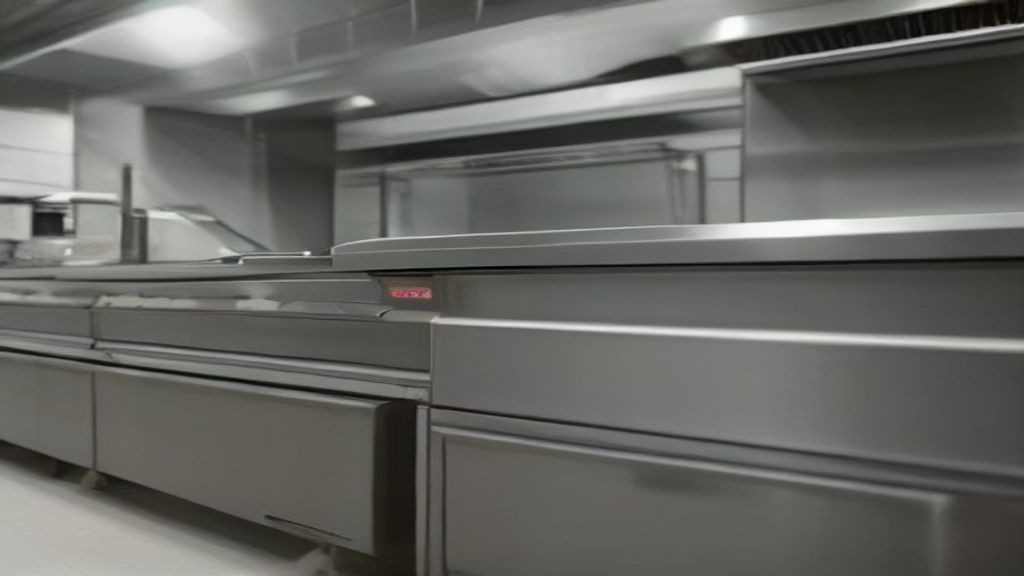
A commercial refrigerator undercounter unit keeps ingredients cold and within arm's reach of the prep line. For restaurant owners, kitchen managers, and equipment buyers, the right choice can speed service, protect food safety, and free up floor space that a reach-in would otherwise consume. For more background, see Learn more about commercial refrigerator undercounter.
Brands such as True, Beverage-Air, Hoshizaki, and Platinum each offer undercounter lines aimed at different volumes and layouts. Specs vary by model year and configuration, so treat catalog numbers as a starting point and always confirm width, depth, door or drawer style, and listed energy data before you order.
This guide walks through practical selection criteria-fit, workflow, temperature recovery, clearance, energy use, and cleaning-so you can compare options with confidence instead of guessing from a product photo.
What a Commercial Refrigerator Undercounter Unit Is Built For
An undercounter commercial refrigerator is designed to sit beneath a worktop or prep surface, typically in the same height range as standard commercial counters so staff can work above it. Unlike a residential undercounter fridge, these units are built for frequent door openings, NSF-style foodservice use, and holding product at safe refrigerated temperatures through a busy service.
Most kitchens use them for mise en place near the cook line, backup dairy and produce by the salad station, or bottled beverages at a bar. The goal is short walking distance and fast access-not bulk long-term storage. If you need deep inventory capacity, pair undercounter cold storage with a walk-in or reach-in rather than forcing one cabinet to do both jobs.
Doors Versus Drawers for Line Workflow
Door models usually cost less and work well for pans, bottles, and larger containers you pull less often. Drawer models shine on a cook line when cooks need to grab a few items quickly without opening a full cavity and dumping cold air. Drawers also help organize protein or produce by station, but they can limit tall pan stacks and may need more careful loading so slides stay aligned.
Width, Depth, and Counter Continuity
Common commercial undercounter widths cluster around the mid-20s to mid-60s inches depending on one-, two-, or three-section layouts, but exact exterior dimensions differ by brand and whether the unit includes a backsplash, cutting board, or side-mounted compressor. Measure the alcove wall to wall, then subtract room for side clearance and utility connections. Confirm finished height against your counter and adjacent equipment so the top forms a continuous work surface where you need it.

Temperature Performance, Clearance, and Energy Use
In a commercial kitchen, temperature recovery after door openings matters as much as the setpoint on the dial. Undercounter cabinets with stronger refrigeration systems and good airflow recover faster when the line is slamming doors every few minutes. Ask suppliers for holding temperature range, ambient rating (many foodservice units are rated for warm kitchens), and whether the evaporator design fits your product load-not just the marketing claim of "fast cool."
Clearance is easy to overlook until the compressor overheats. Rear and side ventilation needs vary: some units need several inches behind the cabinet; front-breathing designs may allow tighter rear placement but still need an unobstructed grille. Blocking louvers with flour bags or pushing the unit flush against a hot oven wall shortens compressor life and raises energy use.
Reading Energy Labels Without Fake Specs
Compare ENERGY STAR listings or manufacturer energy consumption figures only when they refer to the exact model number you are buying, including door type and voltage. Two cabinets that look identical can differ in kWh/day because of insulation, controller, and condenser design. Lower daily energy use saves money over years of 24/7 operation, but do not trade away recovery performance if your station opens constantly-an "efficient" unit that runs flat-out fighting heat load is not a bargain.
Installation Details That Protect Performance
Plan a dedicated circuit that matches the nameplate amperage and voltage, level the cabinet so doors seal, and leave the manufacturer's required clearance for condenser airflow. If you specify casters for cleaning access, confirm the finished height still matches your counter. After install, verify the unit holds product in the safe refrigerated zone with a calibrated thermometer, not only the built-in display.
Cleaning, Maintenance, and Brand Comparison Tips
Daily wipe-downs of door gaskets, handles, and interior walls keep soil from becoming odor and mold problems. Pull the unit on a schedule to clean condenser coils-dust and grease are the most common reasons undercounter refrigerators struggle in summer. Removable shelves and drawer pans should go through your dish process when food residue builds up; avoid abrasive pads that scratch stainless and harbor bacteria.
When comparing True, Beverage-Air, Hoshizaki, Platinum, and similar lines, focus on service network in your city, parts availability, warranty terms, and how the cabinet's door or drawer layout matches your station-not brand loyalty alone. Request cut sheets for exterior dimensions, refrigerated capacity in cubic feet, listed amp draw, and recommended clearances. If a seller cannot provide those, keep shopping.
Food Safety Habits That Belong With Equipment Choice
Even the best commercial refrigerator undercounter unit fails if product is overloaded against the evaporator or doors are propped open. Use shallow pans, leave airflow paths open, and rotate stock with FIFO labels. Train staff to close doors fully and to report warm product or icing issues early so you can call service before a full failure during Friday dinner.
Total Cost Beyond the Sticker Price
Factor delivery, installation, possible counter modification, extended warranty, and expected energy cost into the purchase. A slightly higher upfront price from a brand with strong local technicians can beat a cheaper import that sits idle waiting for parts. Document serial numbers and filter or coil cleaning intervals so the next manager inherits a usable maintenance record.
Frequently Asked Questions
What size commercial refrigerator undercounter unit do most kitchens need?
Size depends on station menu and footprint, not a single "standard" width. Measure the available bay, confirm exterior width and depth on the cut sheet, and choose capacity for daily mise en place-not full case storage. Many lines offer one- to three-section options; match sections to how many people share the station.
Are drawers better than doors on a commercial undercounter refrigerator?
Drawers are often better for cook-line speed and portioned pans; doors are often better for bottles, taller containers, and lower cost. Some kitchens mix both. Prioritize how staff actually grab product during peak service, then confirm pan sizes fit the drawer or shelf clearances listed by the manufacturer.
How much clearance does a commercial refrigerator undercounter need?
Follow the manufacturer's installation sheet for that exact model. Rear, side, and top clearances differ between front-breathing and rear-breathing designs. Never block the condenser grille, and keep hot equipment from dumping heat into the intake whenever possible.
How do I compare True, Beverage-Air, Hoshizaki, and Platinum models fairly?
Compare the same category of unit: refrigerated undercounter vs freezer, door vs drawer, and similar exterior width. Review capacity, amp draw, ambient rating, warranty, and local service support. Ask for current cut sheets rather than relying on memory of older catalog numbers.
How often should I clean a commercial undercounter refrigerator?
Wipe food-contact surfaces and gaskets as part of daily closing. Clean condenser coils on a regular schedule based on kitchen grease and dust-more often near fryers. Deep-clean interiors and removable components during slower periods, and address ice buildup or warm spots immediately.
Can I put a residential undercounter fridge in a commercial kitchen?
Residential units are generally not built for commercial door traffic, sanitation expectations, or warm kitchen ambients. Health departments and insurers may require commercial equipment. For restaurant use, specify a commercial refrigerator undercounter model rated for foodservice conditions.
Conclusion
Choosing a commercial refrigerator undercounter unit comes down to fit, workflow, recovery under real door traffic, and serviceability-not glossy photos. Measure twice, confirm clearances and utilities, and compare doors versus drawers against how your line actually works.
Next, shortlist two or three model numbers from brands you can service locally, request current cut sheets and energy data, and walk the install path with your contractor before you buy. A well-matched undercounter refrigerator pays for itself in speed, food safety, and fewer mid-service surprises.
Looking for a ready-to-order option? Explore this commercial refrigerator undercounter on HorecaStore.
Related Products & Guides
- Undercounter Refrigerator Commercial
- True Commercial Undercounter Refrigerator
- Undercounter Commercial Refrigerators


Comments
Post a Comment