Commercial Undercounter Refrigerator Buying Guide
Commercial Undercounter Refrigerator Buying Guide
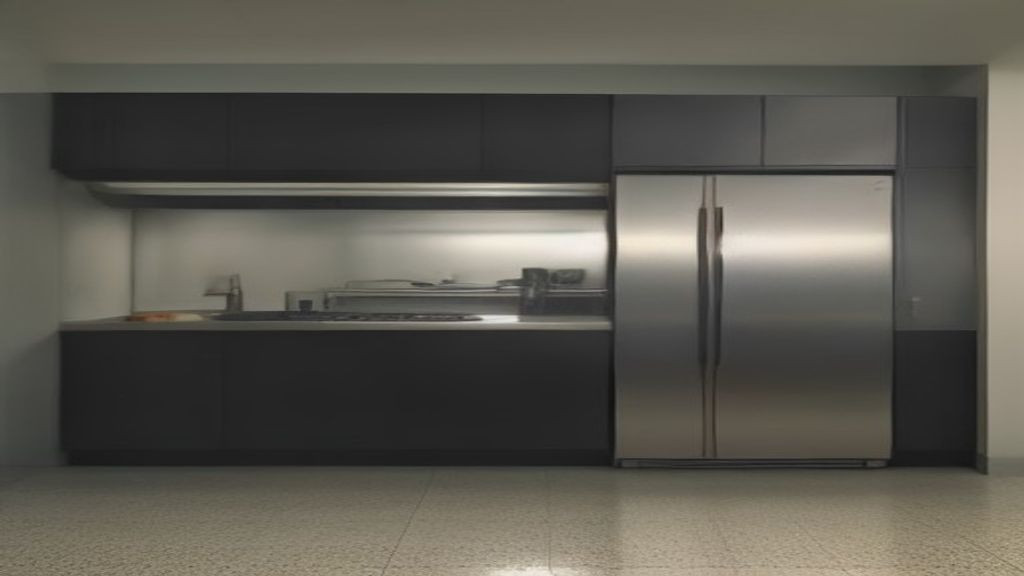
A commercial undercounter refrigerator keeps prep ingredients cold and within reach without eating up aisle space. For restaurant owners and kitchen managers, the right unit can speed ticket times and cut waste from temperature swings. For more background, see Learn more about commercial undercounter refrigerator.
This guide walks through what to compare across True, Beverage-Air, Hoshizaki, Platinum, and similar brands-width and capacity, doors versus drawers, recovery after busy rushes, clearance, energy use, and cleaning-so you can choose with confidence.
Match Size, Layout, and Workflow First
Start with the space under your worktop and the stations that need cold storage. Measure cabinet opening width, depth, and height, then leave room for the door or drawer swing and for staff to pass safely.
Most commercial undercounter refrigerators fall into common widths such as roughly 27, 36, 48, and 60 inches, with one- or two-section layouts. Confirm that the unit fits your base line and that the worktop height matches your prep table if you plan to use the top as a surface.
Width, capacity, and station placement
Place cold storage where cooks actually reach first-salad, pizza, sandwich, or bar stations. A narrower one-door unit near the pass may beat a wider two-section box across the kitchen if it saves steps during peak service.
Doors vs drawers for speed and access
Doors suit bulk pans and bottles and usually cost less for the same footprint. Drawers help when you need quick access to mise en place pans without digging; they can also reduce cold air dump if staff open only one drawer at a time. Match the configuration to how often the unit is opened during rush.
Temperature Performance and Daily Kitchen Demands
In a commercial kitchen, recovery after door openings matters as much as the setpoint on the dial. Look for units designed for commercial duty, with adequate refrigeration capacity for frequent access and warm ambient kitchen air.
Ask vendors how the unit holds product temperature under typical open/close cycles, and verify it is rated for foodservice use rather than light residential duty. Consistent holding in the safe cold zone protects food quality and helps with health inspections.
Temp recovery during peak service
Busy lines mean short, repeated openings. Favor models known for strong pull-down and recovery, solid door seals, and good airflow around pans. Avoid overloading shelves so cold air can circulate.
Clearance, ventilation, and placement
Most undercounter units need clear airflow at the condenser intake and discharge-often at the front grille on front-breathing designs. Confirm manufacturer clearance guidance for sides, back, and top. Blocking vents raises energy use and shortens compressor life.
Energy Use, Cleaning, and Ownership Costs
Purchase price is only part of the cost. Energy draw, filter and condenser cleaning time, gasket replacement, and service access all affect total ownership.
Compare ENERGY STAR-qualified commercial refrigerators when available, and ask for estimated annual kWh for your climate and usage pattern. A slightly higher sticker price can pay back through lower utility bills and fewer service calls.
Energy and utility considerations
Front-breathing units can often sit tighter under counters; rear-breathing designs may need more rear clearance. Match the airflow design to your install so the compressor is not working against heat buildup.
Cleaning and maintenance habits that protect performance
Wipe spills daily, clean door gaskets so they seal, and keep the condenser coil and air filter free of grease and dust on the schedule your manufacturer recommends. Train staff not to prop doors open and to restock in batches rather than constant door traffic.
How to Compare Brands Without Fake Specs
True, Beverage-Air, Hoshizaki, Platinum, and other commercial brands each offer undercounter lines with different door/drawer mixes, finishes, and features. Compare like for like: exterior width, interior volume, door or drawer count, refrigerant type, warranty length on parts and compressor, and whether the unit is front-breathing.
Request current spec sheets from dealers, confirm NSF or equivalent foodservice listing where required, and check local electrical needs (voltage, plug type, dedicated circuit). Side-by-side demos or dealer references from similar kitchens beat marketing claims alone.
A practical shortlist checklist
Write down required width, door vs drawer preference, ambient kitchen heat, and whether you need a worktop-ready surface. Then score two or three models on recovery reputation, service network nearby, warranty, cleaning access, and energy rating before you buy.
Frequently Asked Questions
What size commercial undercounter refrigerator do most kitchens need?
Measure your under-counter opening and traffic path first. Common widths run about 27 to 60 inches; choose the smallest footprint that holds your prep volume for that station so doors are not left open hunting for space.
Are drawers better than doors on a commercial undercounter refrigerator?
Drawers excel for organized pans and less cold-air loss when only one drawer opens. Doors are better for taller items and often cost less. Many kitchens mix both across stations.
How much clearance does a commercial undercounter refrigerator need?
Follow the manufacturer's install guide. Front-breathing units typically need a clear front grille; others may need rear or side space. Never block condenser airflow with boxes or tight cabinetry.
What temperature should a commercial undercounter refrigerator hold?
Aim to keep refrigerated food at or below 41°F (5°C) as a food-safety target, and verify your unit holds product temps under real open/close use-not only empty-cabinet display readings.
How often should I clean the condenser on an undercounter unit?
Clean on the schedule in the owner's manual-often more often in greasy kitchens. Dust and grease on the coil raise energy use and can cause warm product temperatures and compressor failure.
Which brands are worth comparing for commercial undercounter refrigerators?
True, Beverage-Air, Hoshizaki, Platinum, and other commercial manufacturers are common in foodservice. Compare current specs, warranty, local service, and energy ratings rather than relying on brand name alone.
Conclusion
Choosing a commercial undercounter refrigerator comes down to fit, access style, recovery under rush conditions, clearance for airflow, and realistic energy and cleaning costs. Measure twice, match the config to your station, and compare dealer spec sheets before you commit.
Next, shortlist two or three models that fit your width and workflow, confirm install clearance and electrical needs, and ask your supplier about warranty and local service. The right unit stays cold when you need it most and stays out of the way the rest of the day.
Looking for a ready-to-order option? Explore this commercial undercounter refrigerator on HorecaStore.
Related Products & Guides
- Commercial Refrigerator Undercounter
- True Commercial Undercounter Refrigerator
- Undercounter Commercial Refrigerators


Comments
Post a Comment