Hoshizaki Undercounter Refrigerator Buying Guide
Hoshizaki Undercounter Refrigerator: What Buyers Should Know
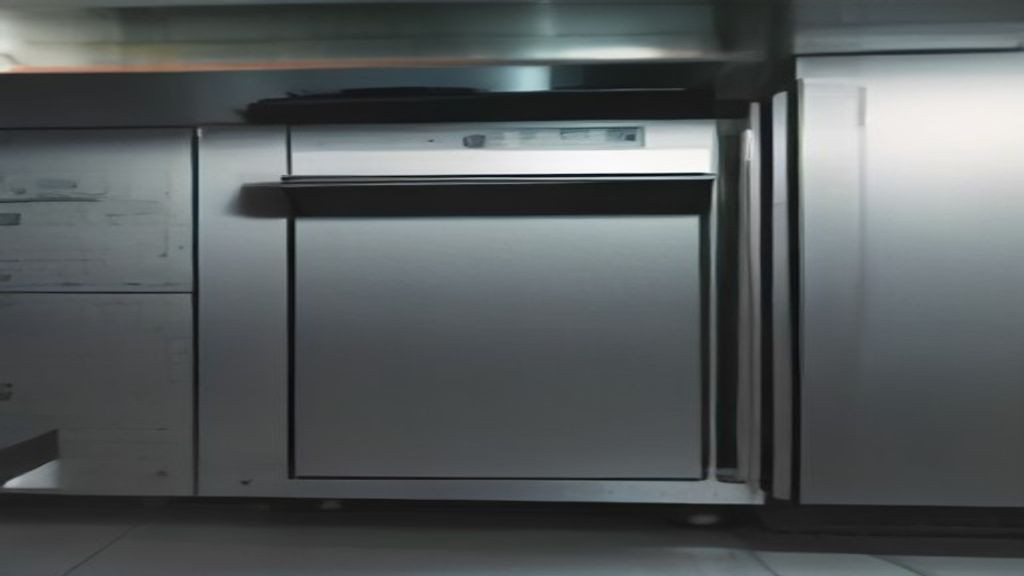
Choosing a Hoshizaki undercounter refrigerator is less about brand loyalty and more about fit: line length, service style, and how hard your team works the doors during peak hours. Restaurant owners and kitchen managers often compare Hoshizaki with True, Beverage-Air, Platinum, and similar commercial lines for the same reasons-reliable cold holding, serviceable parts, and a footprint that slides under a prep or bar counter. For more background, see Learn more about hoshizaki undercounter refrigerator.
Undercounter units earn their keep when they keep product cold through constant access, wipe-downs, and warm ambient kitchens. Specs vary by model, so treat published numbers as a starting point and confirm width, depth, height, drawer or door configuration, and utility needs with the current cut sheet before you order.
This guide walks through practical checks that matter on the floor: sizing, doors versus drawers, temperature recovery, clearance, energy use, and cleaning-so you can shortlist the right Hoshizaki undercounter refrigerator without guessing.
Where a Hoshizaki Undercounter Refrigerator Fits Best
Undercounter refrigerators sit under work surfaces to keep mise en place, bottled beverages, dairy, or bar ingredients within arm's reach. In restaurants, they often support a cook line, pastry station, or expo. In bars and cafés, they store mixers, garnishes, and chilled product without sending staff to a walk-in between tickets.
A Hoshizaki undercounter refrigerator makes sense when you need commercial-grade cold holding in a tight footprint and expect frequent door or drawer openings. If your volume is light and access is rare, a simpler reach-in may be enough. If you need deep storage volume and less frequent access, a full-height reach-in or walk-in is usually the better primary cold asset.
Match the station, not just the brand
Start with the station workflow: what must stay cold within two steps of the cook or bartender, how many openings happen per hour, and whether staff need drawers for pans or doors for bottles and pans. Brand comparisons (Hoshizaki, True, Beverage-Air, Platinum, and others) matter after you define width, configuration, and service access.
Confirm real undercounter clearance
Measure the opening carefully-width, depth, and height under the counter-and leave room for door swing, drawer pull-out, and ventilation. Many kitchens fail installs by measuring cabinet width only and forgetting toe kicks, legs, or rear clearance for airflow.
Size, Doors vs Drawers, and Layout Choices
Commercial undercounter refrigerators commonly come in widths that align with standard station modules, but exact dimensions differ by model. Always verify exterior width, depth, and height, plus interior capacity, against your counter opening and adjacent equipment.
Doors favor bottles, packaged product, and flexible shelving. Drawers favor hotel pans and organized mise that staff can pull forward without digging. Some lines offer combinations; choose based on how your team actually works during service, not on brochure photos.
Doors: flexibility and visibility
Door models are usually easier when inventory changes often or when you store mixed SKUs. Look for sturdy hinges, gasket seal quality, and shelf adjustability. If the unit faces a busy aisle, plan hinge side so doors do not block traffic when open.
Drawers: speed for pan-based prep
Drawer units shine on prep and cook lines where pans move in and out constantly. They can reduce cold air dump compared with a wide-open door, but they need clear pull-out space and careful loading so pans do not block airflow inside the cabinet.
Temperature Recovery, Clearance, and Energy Use
Temperature recovery is how quickly the cabinet returns to a safe holding range after openings. In a busy kitchen, recovery matters more than a single empty-cabinet temperature reading on a quiet morning. When comparing a Hoshizaki undercounter refrigerator to True, Beverage-Air, or other brands, ask about intended duty (light vs heavy use), ambient conditions, and how the refrigeration system is serviceable in your market.
Clearance and airflow are non-negotiable. Blocking condenser intake or exhaust with walls, cabinets, or clutter raises energy use and shortens compressor life. Follow the manufacturer's rear, side, and top clearance guidance for that specific model-do not assume all undercounter units share the same ventilation pattern.
Practical energy habits that still protect food safety
Energy use rises with warm kitchens, dirty condensers, worn gaskets, and doors left ajar. Keep setpoints in a food-safe refrigerated range per your food safety plan, clean condenser coils on a schedule, and train staff to close doors and drawers promptly. ENERGY STAR or efficiency claims, when present, should be verified on the current model documentation rather than assumed across a brand family.
Installation checks before you sign the PO
Confirm power requirements (voltage, plug type, dedicated circuit), drain needs if any, and whether the unit is front-breathing or needs rear ventilation. Poor electrical or airflow planning causes many "bad fridge" complaints that are really install problems.
Cleaning, Maintenance, and Buying Checklist
Daily wipe-downs of interiors, door or drawer faces, and gaskets keep spills from becoming odor and gasket failure. Weekly or monthly condenser cleaning-based on kitchen grease and dust load-protects cooling performance. Replace torn gaskets promptly; a leaking seal forces longer run times and unstable temperatures.
When you compare brands, prioritize parts availability, local service response, warranty terms, and how easy it is to remove shelves or drawers for deep cleaning. Spec sheets help, but a serviceable design and a responsive dealer often decide long-term cost of ownership.
A short buyer checklist
Measure the undercounter bay; choose doors or drawers for the station; confirm capacity and pan fit; verify clearance and electrical; review warranty and service coverage; plan a cleaning schedule; and request the current Hoshizaki undercounter refrigerator cut sheet so you are not ordering from outdated marketing copy.
Frequently Asked Questions
Is a Hoshizaki undercounter refrigerator good for a busy restaurant line?
It can be, when the model matches your opening frequency, ambient kitchen heat, and station layout. Focus on recovery under real use, proper clearance, and service support-not brand name alone.
Should I choose doors or drawers on a Hoshizaki undercounter refrigerator?
Choose drawers when you work primarily from hotel pans and need fast, organized access. Choose doors when you store mixed packaged items or need flexible shelving. Confirm pull-out or swing clearance in your aisle.
How much clearance does an undercounter refrigerator need?
Clearance depends on the model's airflow design. Always follow the manufacturer's rear, side, and top requirements and keep condenser paths free of grease, cardboard, and tight cabinetry.
How do I compare Hoshizaki with True, Beverage-Air, or Platinum?
Compare on fit (width and height), door vs drawer config, temperature holding under load, energy and ventilation needs, warranty, parts availability, and local service-using current cut sheets for each candidate model.
What cleaning tasks matter most for undercounter refrigerators?
Wipe interiors and gaskets regularly, clean condenser coils on a grease-appropriate schedule, keep drains clear if equipped, and fix door or drawer alignment issues early so seals stay tight.
Can I put a Hoshizaki undercounter refrigerator next to a hot grill?
Heat raises compressor workload and can hurt recovery. Leave manufacturer-required clearances, avoid blocking vents, and consider whether a different station layout or a higher-duty unit is safer for that location.
Conclusion
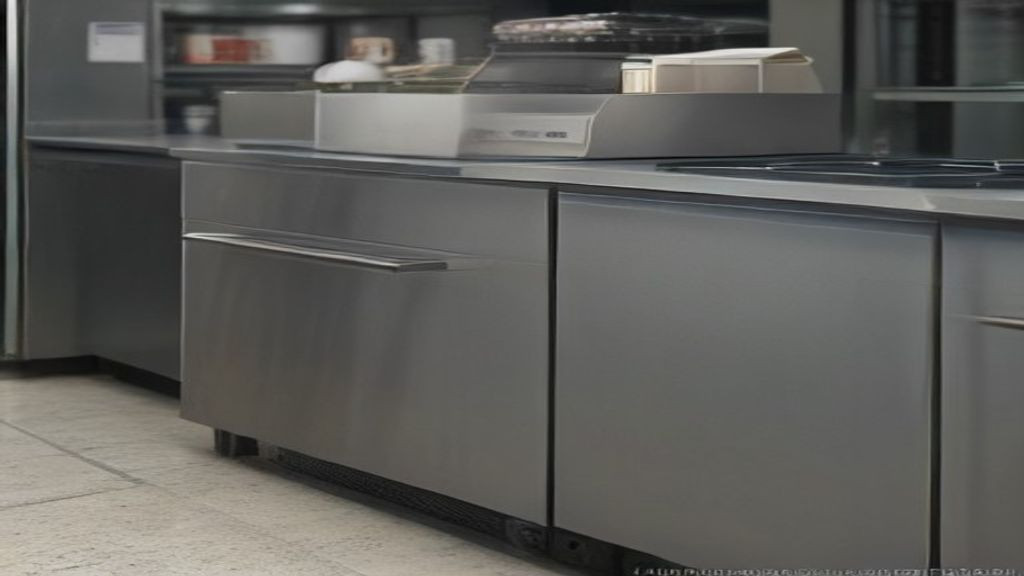
A Hoshizaki undercounter refrigerator earns its place when it matches your station width, door or drawer workflow, and the realities of peak-hour openings-not when it simply looks good on a quote. Measure twice, confirm clearance and power, and compare recovery and serviceability against True, Beverage-Air, Platinum, and other commercial options with current documentation.
Next, shortlist two or three models that fit your bay, request cut sheets and warranty details from a commercial dealer, and walk the install path with your kitchen manager before you buy. That practical review usually prevents the expensive mismatch of a unit that cools well on paper but fights your line every service.
Looking for a ready-to-order option? Explore this hoshizaki undercounter refrigerator on HorecaStore.
Related Products & Guides
- 48 Inch Undercounter Refrigerator
- Undercounter Commercial Refrigerator
- Undercounter Refrigerator For Food Truck


Comments
Post a Comment