Restaurant Undercounter Refrigerator Buying Guide
Restaurant Undercounter Refrigerator Buying Guide
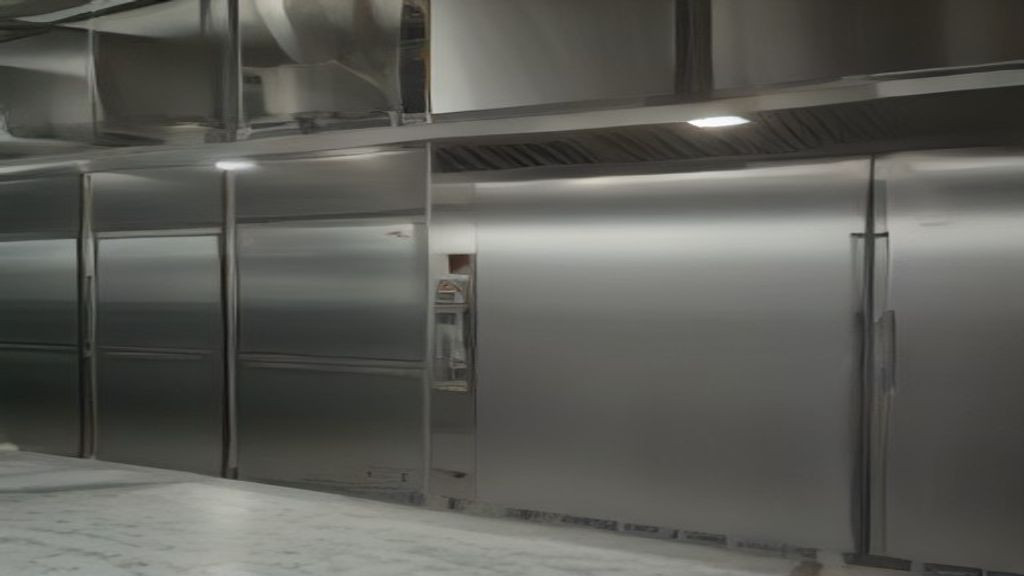
A restaurant undercounter refrigerator keeps prep ingredients cold and within arm's reach so line cooks waste less time walking to a walk-in. For owners, kitchen managers, and buyers, the right unit is less about brand logos and more about fit, temperature stability, service access, and daily cleanability. For more background, see Learn more about restaurant undercounter refrigerator.
Commercial undercounter models from True, Beverage-Air, Hoshizaki, Platinum, and similar lines share a common job: hold product at safe refrigerated temperatures under a worktop or prep surface. They differ in cabinet width, door versus drawer layout, evaporator design, and how quickly they recover after busy ticket rushes.
This guide walks through practical selection criteria you can verify on spec sheets and in a dealer demo-without relying on unverified numbers. Use it to shortlist units that match your line layout, menu mix, and maintenance capacity.
What a Restaurant Undercounter Refrigerator Must Deliver
In a commercial kitchen, an undercounter refrigerator is a production tool, not a residential mini-fridge. It should hold food in the safe refrigerated range, recover after door openings, and survive grease, spills, and constant foot traffic. If temps drift or recovery lags, you risk product loss and health-code exposure.
Focus first on workflow: what sits inside, how often staff open it, and whether cooks need drawers for mise en place or doors for bulk pans and bottles. Then confirm utility, ventilation clearance, and filter access so install day does not create a service headache.
Safe holding temperatures and recovery
Look for commercial refrigeration designed for foodservice duty cycles, not light residential use. Ask how the unit behaves during peak service: frequent door openings dump warm kitchen air into the cabinet, so recovery speed and airflow matter as much as the setpoint on the controller.
Verify controller readability, alarm behavior if offered, and whether staff can check temps without guesswork. Pair equipment choice with a thermometer protocol-cabinet display alone is not a substitute for product-level checks during busy shifts.
Worktop use and kitchen placement
Many restaurants use the top as a prep surface or staging area. Confirm load limits and whether the top is designed for cutting, holding equipment, or light storage only. Leave space for cleaning around the cabinet and for condensate management so water does not pool under the line.
Size, Doors vs Drawers, and Layout Fit
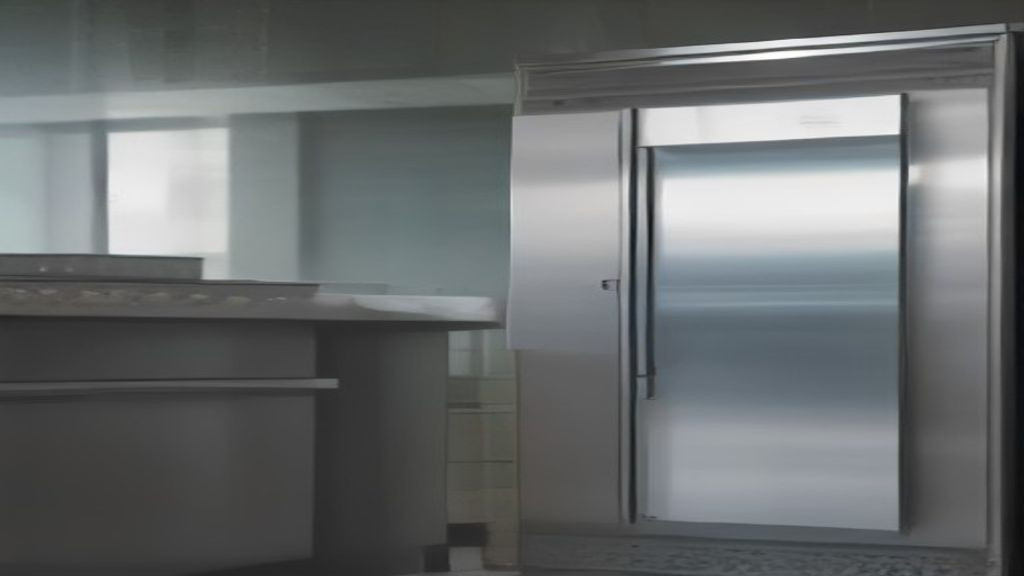
Width and depth must match the remaining space under your counter or between adjacent equipment. Common commercial undercounter widths are often discussed in ranges such as roughly 24, 27, 36, 48, and 60 inches, but always confirm exact exterior dimensions, door swing, and handle clearance on the model you are buying.
Measure the niche carefully: finished opening width, depth to the wall or chase, and height under the counter. Account for leveling legs, casters if used, and any required rear or side clearance for condenser airflow. A unit that physically fits but cannot breathe will short-cycle and fail early.
Doors for bulk storage
Solid doors suit bottles, hotel pans, and taller containers. Choose swing direction that matches the cook's dominant approach so doors do not block the pass or neighboring stations. Glass doors help with visibility but can add heat load and cleaning needs in greasy environments-evaluate that tradeoff for your kitchen.
Drawers for speed on the line
Drawers keep pans organized and reduce digging during tickets. They shine for protein, sauces, and garnishes staged by station. Confirm pan compatibility, drawer depth, and whether drawers seal well under heavy use. Train staff not to overload drawers, which can prevent full closure and raise cabinet temperature.
Energy Use, Ventilation, and Daily Cleaning
Energy cost is driven by duty cycle, ambient kitchen heat, door openings, gasket condition, and condenser cleanliness-not brand reputation alone. Prefer ENERGY STAR-listed commercial undercounter refrigerators when available for your size class, and compare manufacturer energy statements on the same basis rather than mixing residential claims with commercial ones.
Ventilation is non-negotiable. Front-breathing designs often tolerate tighter installs better than rear-exhaust units that need open space behind the cabinet. If your line is enclosed, confirm the airflow path before you buy. Blocked condensers cause warm cabinets, iced evaporators, and compressor stress.
Clearance and install checklist
Before purchase, confirm electrical requirements (voltage, plug type, dedicated circuit if specified), condensate handling (evaporator pan versus drain), and manufacturer clearance guidance for sides, rear, and top. Plan access for filter cleaning and service so the unit is not trapped behind fixed millwork.
Level the cabinet so doors and drawers seal evenly. Poor leveling shows up as leaking cold air, fogging, and higher energy use. Keep hot equipment-ovens, fryers, dishwashers-from dumping heat directly onto the condenser intake when layout allows.
Cleaning and food-safety habits
Wipe spills daily, clean door gaskets so they remain pliable, and schedule condenser coil cleaning based on kitchen grease load-often more frequently than the minimum in the manual. Remove and clean drawers or shelves on a rotation that matches your health-code practices.
Use food-safe cleaners appropriate for stainless interiors and never block airflow with cardboard or overpacking. Document temperature checks at open and close; trends toward warmer readings often signal dirty coils, worn gaskets, or an overloaded cabinet before a full breakdown.
Comparing True, Beverage-Air, Hoshizaki, Platinum, and Peers
Brand choice should follow service coverage in your city, parts availability, and the exact configuration you need-width, drawers versus doors, worktop style, and self-contained versus remote options where offered. True, Beverage-Air, Hoshizaki, Platinum, and other commercial brands all publish model-specific literature; treat that documentation as the source of truth for dimensions, electrical data, and listed features.
Ask dealers for lead time, warranty terms in writing, and who performs startup. A slightly higher purchase price with local technicians who stock common parts can cost less over five years than a bargain unit with slow service response during Friday dinner rush.
A practical shortlist process
Define must-haves: exterior width, door or drawer count, left or right hinge, stainless exterior grade expectations, and any ADA or pass-through constraints. Then request two or three comparable bids with identical accessories listed-shelves, pan kits, casters, and locks-so pricing is apples to apples.
Finally, verify install conditions on site with the winning dealer: measured niche, circuit, condensate plan, and clearance. Buying from a PDF alone is how kitchens end up with a refrigerator that fits on paper but overheats in the real line.
Frequently Asked Questions
What size restaurant undercounter refrigerator do I need?
Measure the finished opening and match exterior width, depth, and height-including legs or casters and handle projection. Choose capacity based on what you stage on the line during peak service, not empty-cabinet volume marketing. Confirm door or drawer clearance against adjacent equipment before ordering.
Are drawers better than doors for a restaurant undercounter refrigerator?
Drawers are usually faster for organized mise en place and reduce deep digging. Doors often work better for taller containers and mixed bulk storage. Many kitchens combine both across stations. Prioritize sealing, pan fit, and staff habits either way.
How much clearance does a commercial undercounter refrigerator need?
Follow the manufacturer's clearance diagram for that model. Front-breathing units may allow tighter rear placement, while rear-exhaust designs typically need open space behind the cabinet. Never block the condenser intake with boxes, walls without airflow, or stacked equipment.
How can I keep energy use under control?
Keep gaskets clean and intact, avoid propping doors open, clean condenser coils on a grease-aware schedule, and do not overfill the cabinet. Prefer commercial ENERGY STAR models when they fit your size needs, and fix warm-temp trends early before the compressor works overtime.
What should I check when comparing True, Beverage-Air, Hoshizaki, and Platinum models?
Compare like configurations: width, doors versus drawers, electrical requirements, warranty, and local service support. Use each brand's current spec sheet for dimensions and features rather than assuming interchangeable performance across similarly sized cabinets.
How often should staff clean an undercounter refrigerator?
Clean spills and wipe high-touch surfaces daily. Inspect and clean gaskets regularly so doors and drawers seal. Clean condenser coils as often as kitchen grease and dust demand-frequently in fryer-heavy or poorly ventilated lines-and deep-clean interiors on a schedule aligned with your food-safety plan.
Conclusion
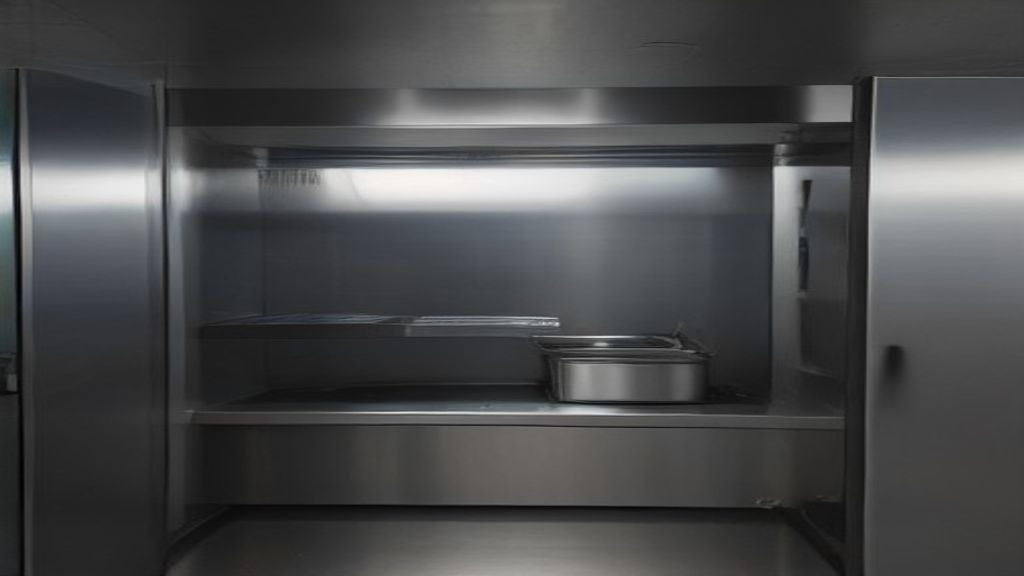
Choosing a restaurant undercounter refrigerator starts with measured space, door versus drawer workflow, and install realities-power, condensate, and condenser airflow-then moves to brand and warranty only after those constraints are clear.
Use manufacturer specs, a site measure, and a dealer who can service the unit locally. When dimensions, recovery behavior, cleaning access, and energy practices line up with your line, you get colder product, faster tickets, and fewer emergency repairs.
Looking for a ready-to-order option? Explore this restaurant undercounter refrigerator on HorecaStore.
Related Products & Guides
- True Commercial Undercounter Refrigerator
- Undercounter Refrigerator 36
- Undercounter Refrigerator Commercial


Comments
Post a Comment