True Commercial Undercounter Refrigerator Buying Guide
True Commercial Undercounter Refrigerator: What Buyers Should Know
Choosing a true commercial undercounter refrigerator is less about a brand badge and more about how the unit fits your line, recovers after busy ticket rushes, and stays serviceable for years. Restaurant owners, kitchen managers, and equipment buyers often shortlist True alongside Beverage-Air, Hoshizaki, Platinum, and similar makers when space under a counter matters as much as cold holding. For more background, see Learn more about true commercial undercounter refrigerator.
This guide from Undercounter Refrigerator Guides walks through the practical checks that actually affect day-to-day service: footprint and width, door versus drawer access, temperature recovery and airflow, install clearance, energy use, and cleaning routines. Specs vary by model and configuration, so treat manufacturer cut sheets and NSF listings as the final source before you order.
If you are replacing a failed unit or adding cold storage beside a prep station, start with workflow and available inches under the counter, then compare brands on construction, service network, and warranty-not marketing claims alone.
Who a True Commercial Undercounter Refrigerator Is For
A true commercial undercounter refrigerator suits kitchens that need refrigerated storage at the point of use without a full-height reach-in. Typical placements include under prep tables, behind a bar rail, beside a fry or grill station, or in a pastry corner where chefs grab mise often.
Buyers comparing True with Beverage-Air, Hoshizaki, Platinum, and other commercial lines should prioritize workflow first. If staff open the unit dozens of times an hour, recovery and door hardware matter more than a slightly larger interior claim on paper.
Match the unit to your station, not the catalog cover
Measure the undercounter bay carefully: width, depth, and height to the underside of the counter or overhang. Leave room for the door or drawer swing and for staff to stand without blocking the aisle. Confirm whether you need a worktop surface above the unit or a flush undercounter install.
Doors vs drawers for real service speed
Doors usually offer clearer bulk storage and easier cleaning of large pans. Drawers can speed access to portioned proteins, garnishes, or bar ingredients when staff pull from a fixed height. Choose based on how product is packaged and how often you open the cavity during peak-not on preference alone.
Sizing, Clearance, and Installation Basics
Commercial undercounter refrigerators commonly land in width bands around 24, 36, 48, and 60 inches, but exact exterior dimensions, caster or leg height, and compressor location differ by model. Always verify the cut sheet for your chosen SKU rather than assuming a "36-inch" unit fills a 36-inch opening.
Installation mistakes cause many early service calls. Undercounters need airflow for the condenser; blocking vents against a wall, cabinet end panel, or stacked equipment can raise head pressure, slow recovery, and shorten compressor life.
Clearance and ventilation you should confirm before buy-in
Check the manufacturer's recommended side, rear, and top clearances and whether the unit is designed for built-in or free-standing use. Confirm power: dedicated circuit, plug type, and voltage matching your kitchen's electrical plan. If the floor is uneven, plan for leveling so doors seal and condensate drains correctly.
Interior layout and pan capacity
Look at shelf adjustability, drawer pan sizes (when applicable), and how well the cavity accepts hotel pans or hotel-pan adapters. Undersized openings and fixed shelves waste usable volume even when the exterior looks large enough for the station.
Temperature Performance, Energy Use, and Daily Care
A true commercial undercounter refrigerator should hold product in the safe refrigerated range under realistic kitchen conditions-warm ambient air, frequent openings, and hot pans nearby. Temperature recovery after door openings is often more important than a single set-point number on a sticker.
Energy use depends on insulation, door gaskets, compressor efficiency, ambient conditions, and how often the cabinet is opened. ENERGY STAR or similar listings, when available for a specific model, can help compare operating cost, but usage habits still dominate the bill.
What "good recovery" looks like on the line
During service, watch whether the cabinet returns to set point quickly after repeated openings and whether product near the door stays within your food-safety targets. Keep condensers clean, gaskets intact, and doors fully closed; neglected coils and warped seals are common causes of slow recovery across brands.
Cleaning and sanitation that protect uptime
Wipe spills daily, clean door gaskets so they seal, and follow a regular condenser-coil cleaning schedule appropriate for your kitchen's grease and flour load. Removable shelves and drawers should come out for deep cleans. Avoid blocking drains or packing product so tightly that air cannot circulate.
Comparing True With Beverage-Air, Hoshizaki, Platinum, and Peers
Brand comparisons should stay grounded: stainless gauge and finish, door or drawer construction, evaporator and condenser service access, noise level for bar or open kitchens, warranty length and parts coverage, and local technician familiarity. True is widely stocked and serviced in many markets; competitors may win on a specific footprint, drawer config, or price point.
Ask vendors for the exact model number, NSF and UL (or equivalent) listings, refrigerant type, and lead time. Request a side-by-side of exterior dimensions, usable capacity, door/drawer count, and warranty-not a vague "commercial undercounter" quote.
Questions to ask before you sign a PO
Will the unit sit under a heat source or near a dishwasher exhaust path? Do you need locking doors, glass doors for merchandising, or solid doors for dark storage? Who will handle install, start-up, and first-year service? Answers to those questions often decide the brand more than the keyword alone.
Frequently Asked Questions
What is a true commercial undercounter refrigerator used for?
It provides refrigerated storage that fits under a counter or worktop so staff can keep ingredients cold at the station. Buyers use these units on cook lines, prep areas, and bars where a full-height refrigerator would waste space or slow workflow.
How do I choose the right width for an undercounter refrigerator?
Measure the opening's width, depth, and height, then compare those numbers to the manufacturer's exterior dimensions-not the marketing size nickname alone. Also allow for door or drawer swing, power cord routing, and the clearance the cut sheet requires for ventilation.
Are drawers better than doors on a commercial undercounter fridge?
Neither is universally better. Doors often suit bulk storage and easier deep cleaning; drawers can speed access to portioned items at a consistent height. Choose based on how product is stored and how often staff open the unit during peak.
How important is temperature recovery in a busy kitchen?
Very important when doors open constantly. Strong recovery helps product stay in the safe refrigerated range after rushes. Keep coils clean, seals intact, and vents clear-poor maintenance can undo the performance of any brand, including True and its competitors.
What clearances does a commercial undercounter refrigerator need?
Follow the model's installation guide for side, rear, and top clearances and for built-in versus free-standing placement. Blocking condenser airflow is a common cause of overheating, weak cooling, and premature compressor wear.
How should I clean and maintain an undercounter refrigerator?
Clean spills daily, wipe gaskets so they seal, schedule condenser coil cleaning based on kitchen conditions, and remove shelves or drawers for periodic deep cleans. Confirm drains are clear and product is not packed so tightly that air cannot circulate.
Conclusion
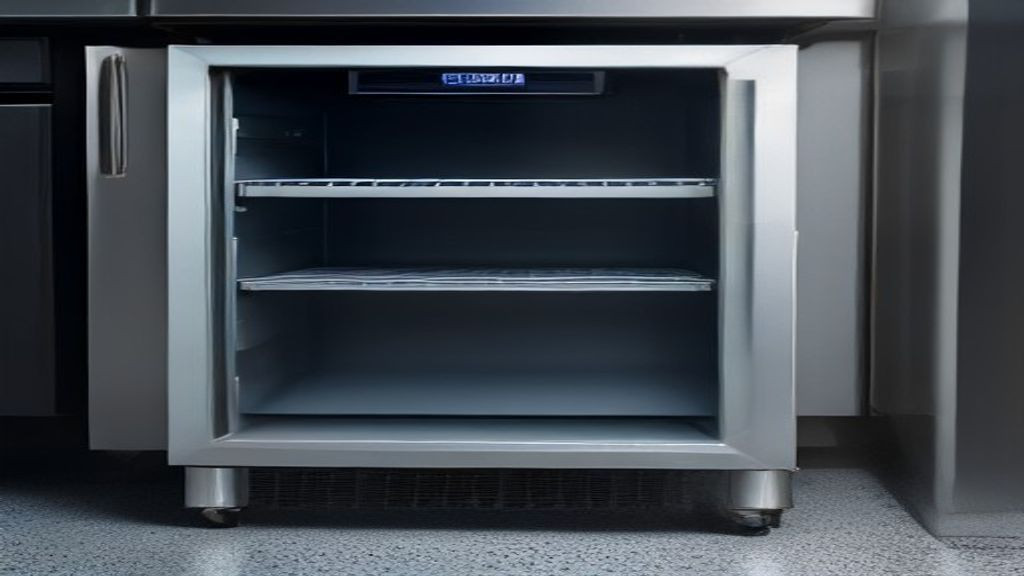
A true commercial undercounter refrigerator earns its place when it fits the bay, recovers under real service, and is easy for your team to clean and for local techs to service. Use measured dimensions, door versus drawer workflow, clearance rules, and warranty or service network as your decision filters-then verify final specs on the manufacturer cut sheet.
Compare True next to Beverage-Air, Hoshizaki, Platinum, and other commercial options with the same checklist, and you will shortlist faster with fewer install surprises. For more model comparisons and station-planning tips, keep browsing Undercounter Refrigerator Guides before you place the purchase order.
Looking for a ready-to-order option? Explore this true commercial undercounter refrigerator on HorecaStore.
Related Products & Guides
- Commercial Undercounter Refrigerator
- Undercounter Refrigerator True
- Undercounter Commercial Refrigerators


Comments
Post a Comment