True Under Counter Refrigerator Buying Guide
True Under Counter Refrigerator: A Practical Buying Guide
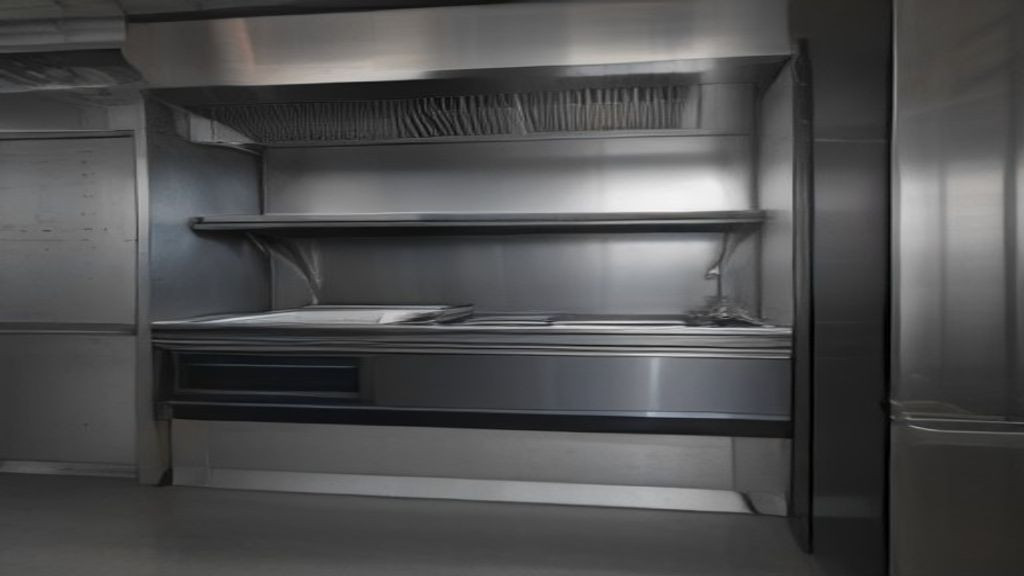
A true under counter refrigerator is a workhorse in commercial kitchens where cold storage has to sit under the prep line, bar, or pass. Restaurant owners and kitchen managers usually compare True against Beverage-Air, Hoshizaki, Platinum, and similar brands when they need reliable holding temps without giving up aisle space. For more background, see Learn more about true under counter refrigerator.
The right choice depends less on brand slogans and more on fit, workflow, and serviceability. Width and depth must match the opening, doors or drawers must match how staff grab product, and the refrigeration system must recover quickly after busy rushes.
This guide walks through the practical checks buyers use before purchase: sizing, configuration, temperature performance, clearance and ventilation, energy use, and day-to-day cleaning. Use it as a side-by-side checklist when you review quotes.
What Buyers Mean by a True Under Counter Refrigerator
In commercial kitchens, "True under counter refrigerator" usually refers to True Manufacturing's undercounter reach-in and drawer lines, but buyers often use the phrase when comparing any pro-grade undercounter unit that must hold product safely under a worktop. The shared job is the same: keep food or beverages cold in a compact footprint while standing up to frequent door openings.
When you compare True with Beverage-Air, Hoshizaki, Platinum, and others, focus on certified commercial construction, NSF-style food-zone cleanability, and service access. Marketing names vary by series, so verify the exact model family, door or drawer count, and whether the unit is refrigerator-only or a dual-temp design before you approve a PO.
Where undercounter units earn their keep
Undercounter refrigerators shine at the cook line, salad/prep stations, barista stations, and bars. They keep high-turn ingredients within arm's reach so staff are not walking to a walk-in for every ticket. If the station is wet, greasy, or high-traffic, prioritize stainless exteriors, strong door gaskets, and easy-to-clean interiors.
Doors vs drawers for station workflow
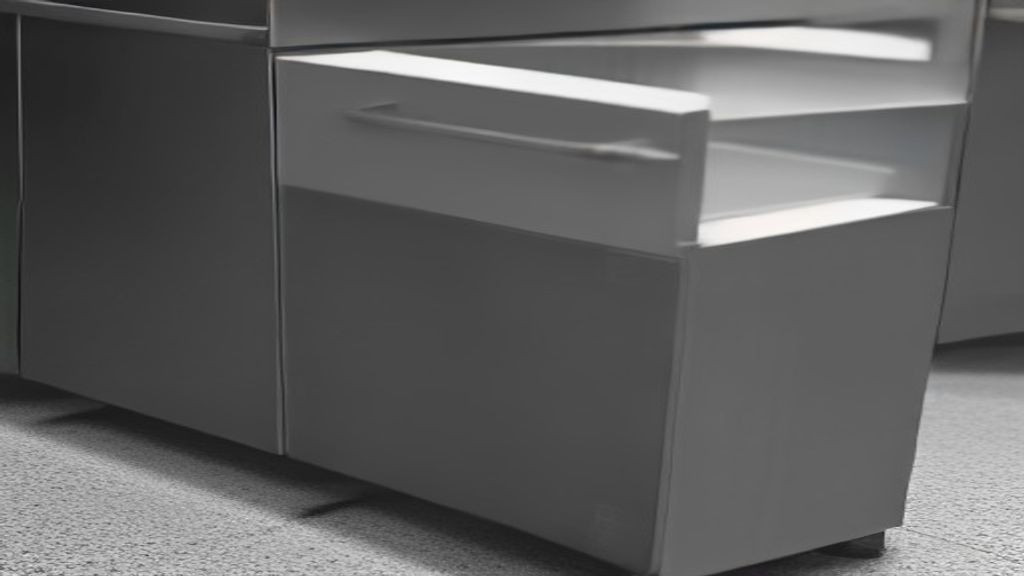
Doors are usually better for bulk pans, tall bottles, and mixed SKUs because you can see and rearrange shelves quickly. Drawers often win for mise en place when cooks need labeled pans pulled out without bending deep into a cabinet. Match the configuration to the station: drawers for line cooks pulling the same pans all shift; doors for bars and general cold holding.
Sizing, Clearance, and Installation Checks
Measure the rough opening carefully: width, depth, and height under the countertop or work surface. Undercounter commercial units commonly fall near 24, 27, 36, 48, and 60-inch widths depending on door or drawer count, but exact dimensions differ by brand and series. Confirm exterior width including hinges and handles, and confirm depth including the door swing or drawer pull.
Also plan utilities and airflow. Most undercounter refrigerators need space for condenser intake and exhaust, plus room for the plug and drain if the model uses one. Crowding the unit against a wall or enclosing it without manufacturer-approved ventilation is a common cause of warm product and short compressor life.
Clearance, ventilation, and front-breathing designs
Many modern undercounter units are designed to breathe from the front, which helps in tight islands, but you should still follow the maker's clearance notes for sides, back, and top. Keep vents clear of flour dust, grease, and cardboard. If the cabinet will sit next to a hot cookline, ask whether a higher ambient rating or a different condenser placement is recommended.
Casters, leveling, and door swing planning
Leveling legs or casters affect both height under the counter and how doors seal. Plan door swing so staff can open fully without hitting walls, equipment legs, or traffic lanes. For drawers, confirm full extension clearance in the aisle. A unit that fits the hole but blocks the walkway will slow service every rush.
Temperature Recovery, Energy Use, and Daily Cleaning
Temperature recovery is one of the biggest real-world differences between light-duty and true commercial undercounter refrigerators. Busy stations open doors constantly; the unit must pull back down quickly without wide temp swings. Ask vendors about intended duty cycle, ambient rating, and whether the evaporator and condenser are sized for frequent access rather than overnight storage only.
Energy use adds up across a kitchen full of cold equipment. Compare ENERGY STAR listings when available, look at insulation quality and gasket condition expectations, and avoid placing the cabinet in direct heat or blocking airflow. A cleaner condenser coil usually means lower run time and more stable cabinet temps.
Practical cleaning and maintenance habits
Wipe spills daily, clean door gaskets so they remain flexible and sealed, and brush or vacuum condenser coils on a schedule that matches your kitchen's grease and dust load. Removable shelves and smooth interior corners speed deep cleans. Keep a simple log for coil cleaning and temp checks so managers can catch drift before product is at risk.
Comparing True with other commercial brands
True, Beverage-Air, Hoshizaki, Platinum, and similar brands all offer undercounter options; differences often show up in service network, parts availability, drawer hardware, and how easy the condenser is to access. Request cut sheets, warranty terms, and local tech coverage. Then compare total cost of ownership: purchase price, install, energy, downtime risk, and how well the layout supports your station.
Frequently Asked Questions
What should I measure before buying a true under counter refrigerator?
Measure opening width, usable depth, and height under the worktop, then compare those numbers to the manufacturer's exterior dimensions including handles, hinges, and required airflow clearance. Also confirm door swing or drawer pull space in the aisle.
Are drawers or doors better for an undercounter refrigerator?
Doors are generally better for mixed storage and taller items; drawers are often better for labeled pans at a cook station. Choose based on what staff grab most during service, not only on cabinet looks.
How important is temperature recovery in commercial undercounter units?
Very important. Stations that open constantly need strong recovery so product stays in a safe refrigerated range. Ask about duty expectations and avoid under-sizing the cabinet for a high-open station.
How much clearance does an undercounter refrigerator need?
Follow the specific model's installation guide. Many front-breathing designs can sit in tighter spaces, but side, back, and top clearances still matter, and vents must stay unobstructed for heat rejection.
How do I keep energy use down on a true under counter refrigerator?
Keep condenser coils clean, maintain intact gaskets, avoid blocking airflow, and do not install the unit next to high heat when you can help it. Compare energy ratings across candidate models when they are published.
How often should staff clean an undercounter refrigerator?
Clean food spills and wipe interiors daily or as needed for sanitation. Clean gaskets regularly and service condenser coils on a recurring schedule based on kitchen conditions, more often in greasy or dusty environments.

Conclusion
Choosing a true under counter refrigerator is mostly a fit-and-workflow decision: measure the opening, match doors or drawers to the station, and verify clearance so the unit can reject heat. Then compare recovery expectations, service support, and cleaning access across True and competing commercial brands.
Before you buy, gather cut sheets, confirm utility and ventilation requirements, and walk the install location with whoever will service the cabinet. A well-matched undercounter refrigerator protects product quality, speeds ticket times, and reduces avoidable downtime on the line.
Looking for a ready-to-order option? Explore this true under counter refrigerator on HorecaStore.
Related Products & Guides
- True Under The Counter Refrigerator
- Commercial Under Counter Refrigerator
- Beverage Air Under Counter Refrigerator


Comments
Post a Comment