Undercounter Refrigerator 36: Buyer's Guide
Undercounter Refrigerator 36: How to Choose the Right Commercial Unit
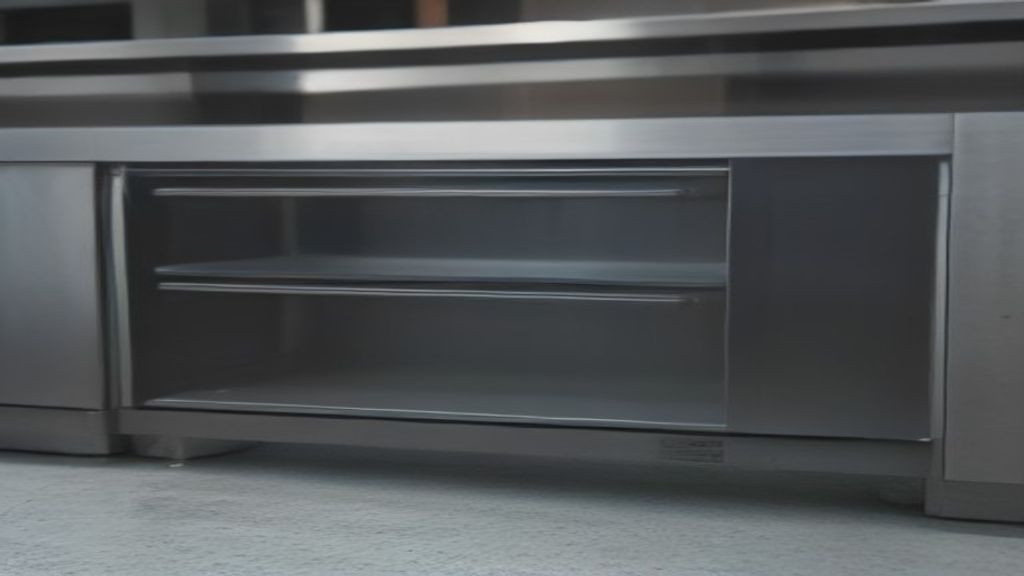
A 36-inch undercounter refrigerator is a workhorse for busy prep lines, bars, and compact commercial kitchens. When space is tight but cold storage still has to keep up with ticket volume, the right undercounter refrigerator 36 can cut steps, protect food safety, and keep service moving. For more background, see Learn more about undercounter refrigerator 36.
Restaurant owners, kitchen managers, and equipment buyers often weigh brands such as True, Beverage-Air, Hoshizaki, and Platinum against layout, door style, and recovery performance. Spec sheets help, but day-to-day fit-clearance, cleaning access, and how staff actually use the unit-matters just as much.
This guide walks through practical checks for a 36-inch commercial undercounter fridge so you can compare models with confidence and avoid a costly mismatch on install day.
What "36" Means for Undercounter Refrigerators
In commercial catalogs, "36" usually points to a cabinet width of about 36 inches, sized to sit under a standard worktop or fill a three-foot bay along a line. Exact exterior dimensions still vary by brand and series, so always confirm width, depth, and height against your opening-including handles, hinges, and compressor bump-outs.
Measure the niche, not just the floor plan. Account for toe kicks, adjacent equipment, and how far doors or drawers swing into the aisle. A unit that is "36" on paper can still fail if clearance for ventilation or door swing was never checked.
Confirm exterior size and undercounter height
Most commercial undercounter refrigerators are built to sit beneath roughly 34-inch-high work surfaces, but counter height and casters or legs change the finished look. Verify overall height with the legs or casters you plan to use, and leave enough room for leveling so doors seal evenly.
Plan airflow and service clearance
Front-breathing designs are common under counters because rear clearance is limited, but every model still needs the free air path the manufacturer specifies. Blocking vents raises compressor run time, slows recovery, and shortens equipment life. Leave access for condenser cleaning and future service-tight installs that cannot be pulled out become expensive maintenance problems.
Doors vs Drawers: Matching Storage to Your Line
A 36-inch undercounter refrigerator may ship with solid doors, glass doors, or a drawer configuration, sometimes in mixed layouts. Doors are usually simpler and better for bulk pans, bottles, or backup product. Drawers shine when chefs need labeled mise en place at the pass without opening a full cavity and dumping cold air.
Choose based on workflow, not only capacity charts. If staff open the unit constantly during service, drawers or well-organized door shelves with clear pan systems can reduce heat gain. If storage is mostly overnight backup, solid doors with strong seals and a clean interior layout may be enough.
When doors make more sense
Solid doors typically cost less and hold temperature more stably when openings are infrequent. They work well for bottled beverages, dairy, and wrapped protein held under a prep table. Glass doors help with inventory visibility in bars or retail-facing spots, but expect slightly more heat load and more frequent wipe-downs of fingerprints and condensation.
When drawers improve speed and food safety
Drawer units keep pans organized and limit how much warm kitchen air enters the cabinet. That can help temperature recovery on a hot line. Confirm pan sizes your team already uses, check weight ratings, and train staff not to overload drawers-overpacking blocks airflow and defeats the design.
Temperature Performance, Energy Use, and Daily Care
Commercial undercounter refrigerators are expected to hold product in the safe refrigerated range under NSF and manufacturer guidelines, but recovery after door openings is what separates a good line unit from a struggling one. Look for clear stated operating temperature ranges, strong door gaskets, and a condenser design that stays clean in a greasy kitchen.
Energy use rises when coils are dirty, doors stay ajar, or the unit is undersized for the workload. ENERGY STAR-qualified commercial models, where available, can lower utility cost, but only if the fridge is sized and ventilated correctly. Compare rated amperage, plug type, and whether you need a dedicated circuit before you buy.
Temp recovery and food safety habits
Place the thermometer where staff can see it, and avoid packing product against the evaporator or air outlet. During rushes, stage only what you need; keep the rest sealed. If product temps climb after frequent openings, review gasket condition, door alignment, and whether drawers would reduce air exchange better than a full-height door.
Cleaning routines that protect efficiency
Wipe spills daily so sugars and proteins do not corrode interiors or foul drains. On a schedule, clean condenser coils per the brand's guidance-dust and grease are the usual reasons an undercounter refrigerator 36 runs hot and loud. Clean gaskets with mild soap, check for tears, and keep casters and floor tracks clear so the unit can be moved for deep cleaning.
Comparing True, Beverage-Air, Hoshizaki, Platinum, and Similar Brands
Brand preference often comes from local service coverage, parts availability, and how the cabinet is built for your environment. True, Beverage-Air, Hoshizaki, Platinum, and peers all offer commercial undercounter lines; focus on warranty terms, stainless finish quality, shelf or drawer hardware, and whether the refrigeration system is designed for front or rear breathing in your niche.
Ask your dealer for lead times, available voltages, and options such as locks, casters, backsplashes, or cutter tops. Request the installation manual early so facilities can confirm utility and clearance before delivery. A slightly higher purchase price with strong local service often beats downtime during a weekend rush.
What to put on your shortlist checklist
Width and depth fit, door or drawer layout, stated temperature range, breathing style and clearance, electrical requirements, warranty and nearby technicians, condenser access for cleaning, and whether accessories match your pan and bottle inventory. Score each undercounter refrigerator 36 candidate against that list before negotiating price.
Frequently Asked Questions
What does undercounter refrigerator 36 usually refer to?
It typically means a commercial undercounter refrigerator with a nominal width near 36 inches. Always verify exact exterior dimensions, including handles and required airflow clearance, against your opening.
Are doors or drawers better on a 36-inch undercounter fridge?
Doors suit bulk storage and lower cost; drawers help with organized mise en place and can reduce cold-air loss during frequent access. Match the configuration to how often staff open the unit during service.
How much clearance does a commercial undercounter refrigerator need?
Follow the manufacturer's installation guide for the specific model. Many undercounter units are front-breathing, but vents still must stay open, and you need enough room to clean the condenser and service the cabinet.
What temperature should a commercial undercounter refrigerator hold?
It should keep refrigerated food at safe cold-holding temperatures as defined by your health code and the manufacturer's rated operating range. Monitor with a visible thermometer and address slow recovery if doors open constantly or coils are dirty.
How do I compare True, Beverage-Air, Hoshizaki, and Platinum models?
Compare fit, door or drawer layout, breathing style, energy and electrical needs, warranty, parts and local service, and ease of cleaning-not brand name alone. Ask dealers for current spec sheets rather than relying on memory of older series.
How often should I clean an undercounter refrigerator 36?
Clean spills daily and schedule condenser coil and gasket checks regularly based on kitchen grease and dust load. Dirty coils are a leading cause of poor cooling, higher energy use, and premature compressor wear.
Conclusion
Choosing an undercounter refrigerator 36 is less about chasing a brand slogan and more about measuring the bay, matching doors or drawers to your workflow, and confirming ventilation, power, and service access before the truck arrives. Practical checks on recovery, cleaning, and clearance will protect food safety and keep energy use in check.
Build a shortlist from current manufacturer specs, walk the install path with your facilities lead, and talk to a dealer who can support parts and warranty locally. Then pick the 36-inch undercounter unit that fits your line today and still works when the ticket printer will not stop.
Looking for a ready-to-order option? Explore this undercounter refrigerator 36 on HorecaStore.
Related Products & Guides
- Undercounter Refrigerator For Food Truck
- 32 Tall Undercounter Refrigerator
- 48 Undercounter Refrigerator


Comments
Post a Comment