Undercounter Refrigerator Commercial Buying Guide
Undercounter Refrigerator Commercial Guide for Busy Kitchens
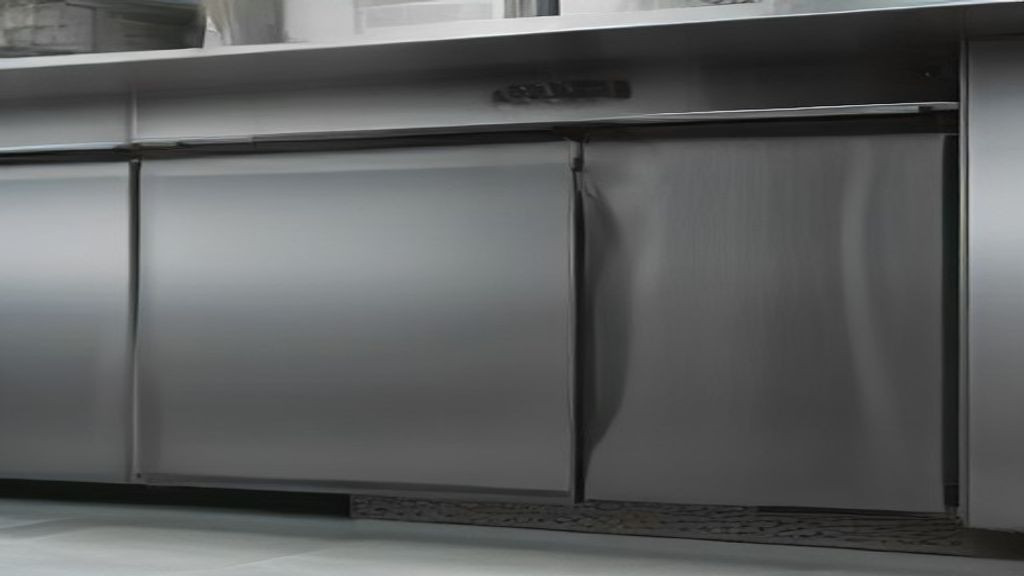
Choosing the right undercounter refrigerator commercial unit can make service smoother, protect food safety, and free up scarce line space. Restaurant owners and kitchen managers often weigh brands like True, Beverage-Air, Hoshizaki, and Platinum, but the best pick depends on how your station actually runs-not just the logo on the door. For more background, see Learn more about undercounter refrigerator commercial.
This guide walks through width and capacity planning, drawers versus doors, temperature recovery, clearance, energy use, and cleaning routines that matter in real kitchens. Use it to compare models side by side and avoid common buying mistakes that raise repair costs later.
What to Measure Before You Buy an Undercounter Refrigerator Commercial Unit
Start with the opening, not the brochure. Measure the cutout width, depth, and height, then leave room for door swing, drawer pull, and the utility connections your crew already uses. Most commercial undercounter refrigerators are designed to sit under a standard worktop height, but toe kicks, legs, and casters can change the fit.
Also map the workflow. A salad station needs quick reach-in access. A prep line may need drawers for mise en place pans. If the unit will sit next to a hot grill or dishwasher, plan for heat load and ventilation so the compressor is not fighting the room all day.
Width, depth, and worktop clearance
Common commercial widths range from compact single-section cabinets to wider multi-section bases. Confirm exterior width against your opening and confirm interior pan layout against your hotel pans or sheet pans. Check rear and side clearance for condenser airflow; blocking vents is a frequent cause of warm boxes and early compressor failure.
If the top will be used as a work surface, verify load limits and whether the top is stainless, unfinished, or meant to receive a separate cutting board. Leave enough front clearance so drawers and doors can open fully without hitting carts, trash cans, or adjacent equipment.
Power, drainage, and installation realities
Most undercounter refrigerators need a dedicated outlet matched to the unit's voltage and amperage. Confirm cord exit location so you are not forcing a sharp bend behind the cabinet. Some models need a floor drain for condensate; others use an evaporator pan. Know which you have before the delivery truck arrives.
Ask about leveling and caster options if you need to roll the unit out for deep cleaning. A unit that sits flat seals better, cools more evenly, and reduces door gasket wear.

Drawers vs Doors: Matching Access to Your Station
Door models are usually simpler and cheaper up front, with broad visibility of shelves. Drawer models shine when you need organized pans at elbow height and want to limit cold air loss during frequent access. Many kitchens mix both: doors for bulk backup and drawers for active prep.
Think about how often staff open the unit during peak. Frequent door openings dump cold air and pull in kitchen heat. Drawers can reduce that exchange for pan-based workflows, but hinges, slides, and gaskets need regular inspection.
When doors are the better fit
Choose doors when you store mixed containers, taller bottles, or bulk backup that is not rearranged every ticket. Door cabinets are easier to wipe down inside and often have more flexible shelf spacing. They also tend to be simpler to service if a gasket or hinge fails.
If your team already works with open-shelf mise en place on the line, a door undercounter unit can serve as a cold backup without forcing a full pan-rail redesign.
When drawers improve speed and food control
Drawers help when each cook needs a fixed set of pans in a predictable order. They support portion control and faster picks during rush, especially on sandwich, pizza, or grill lines. Make sure drawer slides match your pan depth and that staff can open them with wet or gloved hands.
Budget for higher wear parts over time. Drawer gaskets and slides see more mechanical stress than a basic door. Build a weekly check into opening duties so sticky slides do not become a mid-service failure.
Temperature Recovery, Energy Use, and Daily Cleaning
Temperature recovery is how quickly the box returns to a safe range after doors or drawers open. In a hot, busy kitchen, recovery matters as much as the setpoint on the controller. Look for solid insulation, effective door seals, and a refrigeration system sized for commercial duty-not a light-duty residential box.
Energy use adds up over years of 24/7 runtime. Compare ENERGY STAR commercial models when available, keep condenser coils clean, and avoid placing the unit next to heat sources that force longer compressor cycles. A cooler-running unit also tends to hold product quality more consistently.
Practical temperature and food-safety checks
Keep a calibrated thermometer in the warmest area of the cabinet and log readings during open and close. After heavy use, watch how long it takes to settle back near your target cold-holding range. If recovery is slow, check dirty coils, worn gaskets, blocked vents, or an overloaded interior before assuming the compressor is failing.
Do not block airflow with overpacked shelves or pans pressed against the evaporator cover. Cold air needs a path. Leave space around product and avoid storing hot pans that spike cabinet temperature.
Cleaning routines that protect performance
Wipe spills daily so sugars and proteins do not corrode interior surfaces or foul gaskets. Clean door and drawer gaskets with mild soap and warm water; inspect for tears and cold leaks. Schedule condenser coil cleaning on a set cadence-often monthly in greasy kitchens, less often in cleaner prep areas.
Empty and sanitize interiors during weekly deep cleans. Pull the unit forward if casters allow so you can clean floors and walls behind it. Keep drain lines clear if your model uses one, and never use abrasive pads that scratch stainless and trap bacteria.
Comparing True, Beverage-Air, Hoshizaki, Platinum, and Similar Brands
Brand reputation helps, but service network and parts availability in your city often matter more than marketing claims. True, Beverage-Air, Hoshizaki, Platinum, and other commercial makers all offer undercounter lines aimed at restaurants. Compare warranty length, compressor coverage, stainless quality, and how easy it is to get a local tech who knows that brand.
Ask dealers for real lead times, not just catalog photos. Confirm whether the quote includes delivery, set-in-place, and startup checks. A slightly higher purchase price can be cheaper than downtime if parts and service are easy to obtain.
A buyer checklist before you sign a quote
Write down required exterior dimensions, door or drawer preference, pan layout, electrical needs, and whether you need a worktop-ready top. Ask for net capacity, not just overall size. Confirm operating ambient limits if your kitchen runs hot.
Request gasket and slide part numbers for future maintenance. Ask about noise level expectations for front-of-house bars versus back-of-house lines. Finally, compare total cost of ownership: purchase price, estimated energy use, cleaning labor, and local service rates.
Frequently Asked Questions
What size undercounter refrigerator commercial unit do most restaurants need?
Size depends on station workflow and available cutout, not a single standard. Measure width, depth, and height first, then match interior layout to your pans and containers. Many kitchens start with a single- or dual-section unit at the busiest station and add capacity only where opening frequency justifies it.
Are drawers better than doors on a commercial undercounter refrigerator?
Drawers are often better for pan-based prep lines with frequent access because they can reduce cold-air loss and keep mise en place organized. Doors are usually better for mixed storage, taller items, and simpler maintenance. Choose based on how staff actually reach for product during rush.
How important is temperature recovery in an undercounter refrigerator commercial model?
Very important in busy kitchens. Frequent openings and nearby heat sources raise cabinet temperature. Strong insulation, tight gaskets, clean coils, and a commercial-duty refrigeration system help the unit return to safe cold holding faster and protect food quality.
How much clearance does a commercial undercounter refrigerator need?
Follow the manufacturer's airflow guidance for rear and side clearance, and leave enough front space for full door or drawer travel. Blocked condensers are a common cause of warm temperatures and compressor strain. Also plan utility access so the unit can be pulled out for cleaning when needed.
How often should I clean a commercial undercounter refrigerator?
Wipe spills and gaskets daily, sanitize interiors weekly, and clean condenser coils on a schedule matched to kitchen grease and dust-often monthly in heavy-use lines. Regular cleaning improves energy efficiency, temperature stability, and equipment life.
Which brands are commonly compared for undercounter refrigerator commercial use?
Buyers often compare True, Beverage-Air, Hoshizaki, Platinum, and similar commercial brands. Focus on fit for your station, warranty support, local parts availability, and service response time rather than brand name alone.
Conclusion
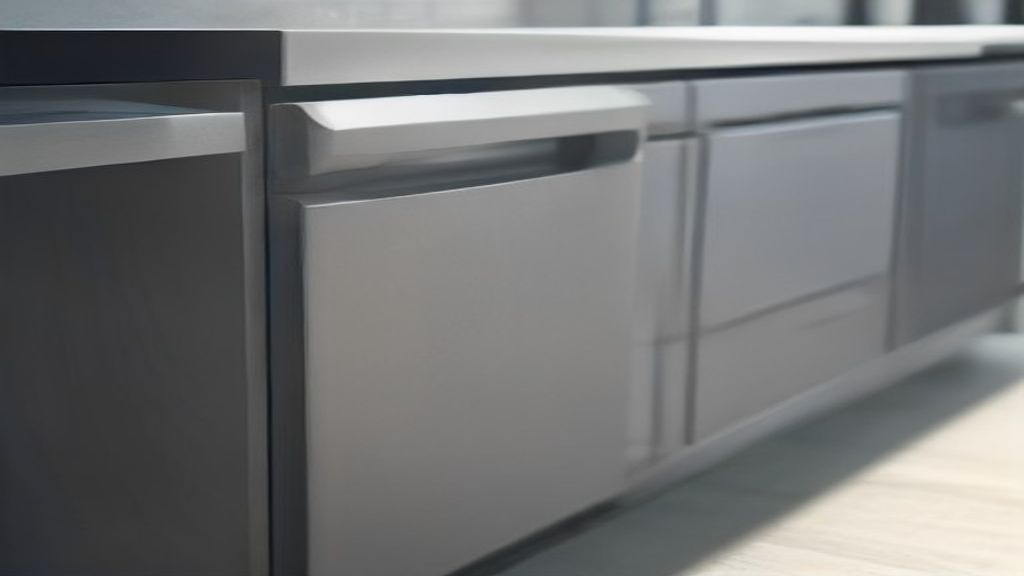
A well-chosen undercounter refrigerator commercial unit should fit the opening, match how your team reaches for product, and hold temperature through real service-not just a quiet showroom demo. Measure carefully, decide between drawers and doors based on workflow, and plan for clearance, energy use, and cleaning from day one.
Next, shortlist two or three models that meet your dimensions and electrical needs, then compare warranty and local service before you buy. Undercounter Refrigerator Guides is here to help you shop with practical criteria so your line stays cold, organized, and ready for the next rush.
Looking for a ready-to-order option? Explore this undercounter refrigerator commercial on HorecaStore.
Related Products & Guides
- Commercial Undercounter Refrigerator
- True Commercial Undercounter Refrigerator
- Undercounter Commercial Refrigerators


Comments
Post a Comment