Undercounter Refrigerator for Food Truck Buyers
Undercounter Refrigerator for Food Truck: A Practical Buying Guide
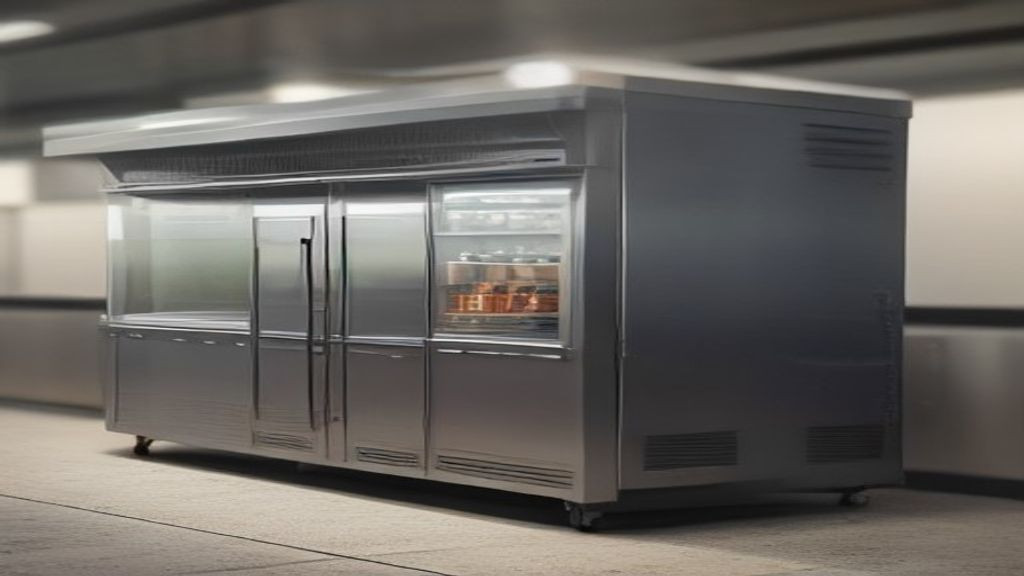
Choosing an undercounter refrigerator for food truck service is different from stocking a brick-and-mortar kitchen. Space is tight, power is limited, and doors open constantly during a rush. The right unit keeps product cold without wasting inches or amps. For more background, see Learn more about undercounter refrigerator for food truck.
Restaurant owners, kitchen managers, and equipment buyers often compare brands such as True, Beverage-Air, Hoshizaki, and Platinum when shopping commercial undercounter refrigerators. Specs vary by model, so treat manufacturer cut sheets as the source of truth for dimensions, electrical requirements, and certified temperature ranges.
This guide walks through width and height fit, drawers versus doors, temperature recovery, clearance, energy use, and cleaning so you can shortlist units that match how your truck actually runs.
Why Food Trucks Need a Purpose-Built Undercounter Refrigerator
A food truck kitchen runs hotter, louder, and more crowded than most back-of-house lines. Prep happens inches from the cooktop, generators or shore power may be the only supply, and every inch of counter frontage matters. An undercounter refrigerator for food truck use has to hold safe cold temps while sharing that environment.
Commercial undercounter models are built for frequent door openings and NSF-style foodservice expectations, unlike many residential undercounter units. That difference shows up in compressor design, interior layout, and how quickly the cabinet recovers after a busy service window.
Match the unit to your menu and ticket pace
High-volume burger or taco concepts that pull pans all night need strong recovery and easy access. Slower coffee or dessert trucks may prioritize quiet operation and energy use. List the items you must hold cold at service temperature, then choose capacity and door style around that list-not around a catalog photo.
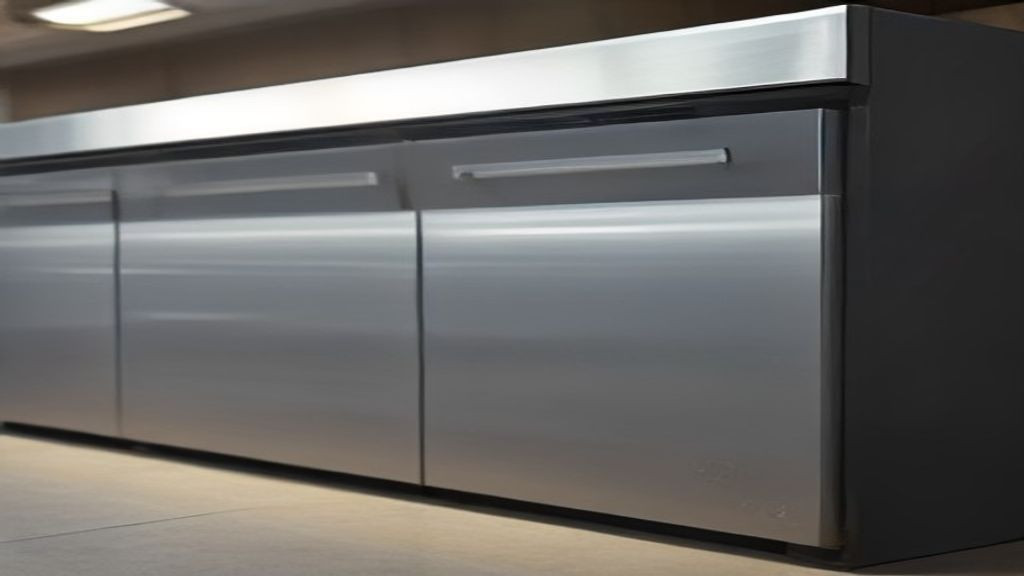
Size, Fit, and Clearance on a Food Truck
Before you fall for brand prestige, measure the bay. Typical commercial undercounter refrigerators are designed to sit under a worktop, but food trucks rarely offer a perfect rectangular cavity. Confirm exterior width, depth (including door swing or drawer pull), and height against your counter and wheel-well constraints.
Common commercial widths cluster around roughly 27, 36, 48, and 60 inches, with many undercounter lines aiming near standard worktop height. Exact numbers differ by brand and configuration, so verify the cut sheet for the model you intend to buy-including casters, legs, and any back grille depth.
Plan airflow and service clearances
Undercounter refrigerators need space to reject heat. Crowding the condenser against a hot wall, fryer, or sealed cabinet kills efficiency and shortens compressor life. Follow the manufacturer's rear, side, and top clearance guidance, and leave a path to clean the condenser coil once the unit is installed.
Power, voltage, and circuit realities
Most commercial undercounter refrigerators run on standard single-phase power, but amperage and plug type vary. Confirm your truck's available circuit, whether you run on generator or shore power, and whether soft-start or dedicated circuits are needed. Never assume a residential outlet plan will support a commercial compressor under load.
Drawers vs Doors: Access That Matches Service
Door models are usually simpler and often maximize usable shelf space for pans, bottles, and boxed product. Drawer models excel when cooks need to grab mise en place without opening a full cavity to truck heat and humidity. Many operators mix both styles if the line layout allows.
Think about glove use, one-handed pulls during a rush, and whether drawers will stick when the truck is parked on an incline. Also compare gasket quality and hinge or slide durability-parts you will service more often than the compressor if the unit sees daily commercial use.
Interior layout and pan compatibility
Check shelf or drawer dimensions against the hotel pans and cambros you already use. A cabinet that "fits under the counter" but cannot hold your standard 1/3 pans creates daily friction. Removable shelves and adjustable tracks make cleaning and reconfiguration easier between menu seasons.
Temperature Performance, Energy Use, and Cleaning
Temperature recovery is the quiet make-or-break factor for an undercounter refrigerator for food truck service. Every door or drawer open dumps warm air into the cabinet; the compressor must pull product back into a safe range before the next rush. Look for units marketed for commercial foodservice holding, and ask dealers how the model behaves with frequent openings-not only in a sealed lab test.
Energy use matters when you are on generator power or paying for shore electricity all day. Compare Energy Star listings when available, and weigh insulation, door gaskets, and condenser accessibility as much as the nameplate wattage. A dirty coil can erase the efficiency gains of a newer model.
Daily cleaning and food-safety routines
Wipe spills promptly, clean door gaskets so they seal, and schedule condenser coil cleaning based on how dusty and greasy your truck environment is. Removable interiors and rounded corners reduce scrub time. Keep a simple temperature log so you catch recovery problems before health inspections or product loss.
Comparing True, Beverage-Air, Hoshizaki, Platinum, and peers
Brand reputation helps with parts availability and dealer support, but model-level specs decide fit. Compare warranty length, local service coverage, lead times, and replacement gasket or slide availability. Request current cut sheets for capacity, electrical data, and dimensions rather than relying on memory of an older catalog year.
Frequently Asked Questions
What size undercounter refrigerator for food truck kitchens works best?
There is no single best size. Measure the available bay first, then choose among common commercial widths only after confirming exterior height, depth, door or drawer clearance, and airflow space against the manufacturer's cut sheet.
Are drawers better than doors on a food truck undercounter refrigerator?
Drawers are often better for frequent, small pulls of mise en place because they limit cold-air loss. Doors can be better when you need maximum shelf flexibility for larger pans or bottled product. Match the style to how your line works during peak service.
Can I use a residential undercounter fridge in a food truck?
Most residential units are not built for commercial open rates, grease-laden air, or foodservice sanitation expectations. Commercial undercounter refrigerators are the safer choice for restaurant and food truck operations that need reliable recovery and serviceable parts.
How much clearance does an undercounter refrigerator need?
Clearance requirements are model-specific. Always follow the manufacturer's guidance for rear, side, and top airflow, and leave room to access and clean the condenser. Tight installs next to hot equipment are a common cause of warm product and short compressor life.
What should I check for energy use on generator power?
Confirm voltage, amperage, and plug configuration, then compare efficiency claims and real-world heat rejection. Keep coils clean, minimize unnecessary door openings, and avoid placing the unit beside major heat sources so the compressor does not run harder than necessary.
How often should I clean a food truck undercounter refrigerator?
Wipe interiors and gaskets daily as part of closing. Clean condenser coils on a schedule that matches your dust and grease load-often more frequently than in a climate-controlled kitchen. Log holding temperatures so you can spot performance drops early.
Conclusion
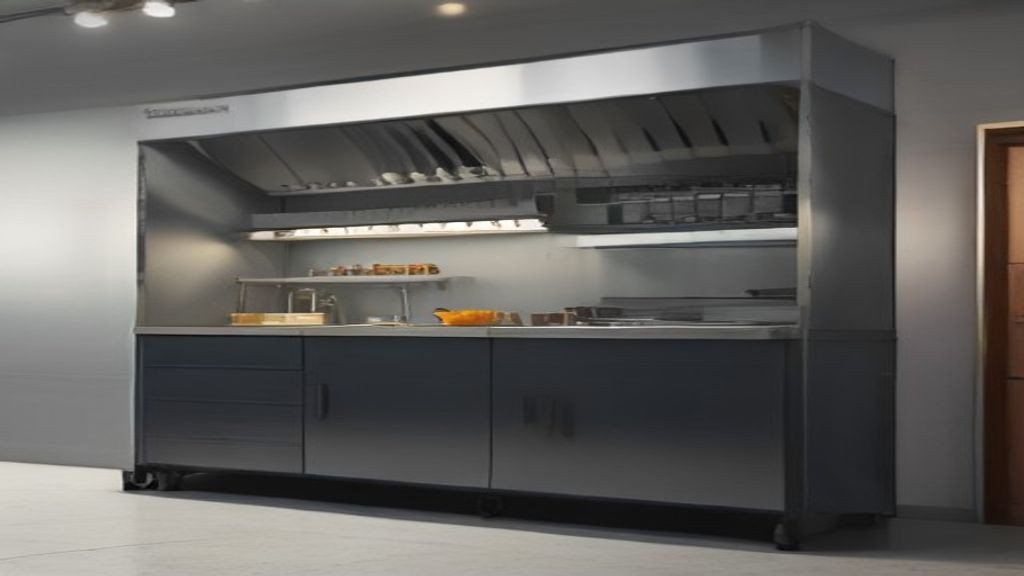
An undercounter refrigerator for food truck kitchens succeeds when it fits the bay, recovers temperature under real open rates, and stays serviceable for cleaning and parts. Start with measurements and electrical capacity, then compare drawer versus door access against your ticket pace.
Next, pull current cut sheets for the True, Beverage-Air, Hoshizaki, Platinum, or other commercial models on your shortlist, confirm local warranty support, and install with the airflow clearances the manufacturer specifies. That practical path protects product quality and keeps service moving when the window gets busy.
Looking for a ready-to-order option? Explore this undercounter refrigerator for food truck on HorecaStore.


Comments
Post a Comment