Undercounter Refrigerator True: Buyer's Guide
Undercounter Refrigerator True: How to Choose the Right Commercial Unit
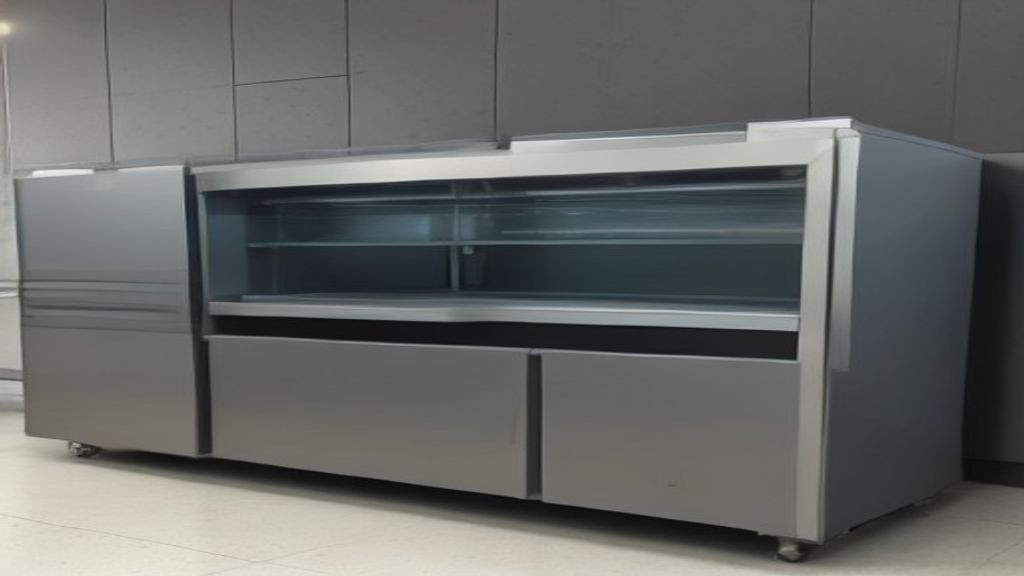
If you are comparing an undercounter refrigerator True model against Beverage-Air, Hoshizaki, Platinum, or other commercial brands, you are usually shopping for one thing: cold storage that fits under the prep line and keeps up during service. True is a well-known name in commercial refrigeration, but the right buy still depends on width, door or drawer layout, how hard your kitchen works the box, and how easy it is to clean and service. For more background, see Learn more about undercounter refrigerator true.
This guide is written for restaurant owners, kitchen managers, and equipment buyers. It focuses on practical checks-clearance, temperature recovery, energy use, and day-to-day cleaning-without relying on invented specs. Use it to shortlist units, then verify capacities, amp draws, and warranty details on the manufacturer's current cut sheet before you order.
What "Undercounter Refrigerator True" Means in a Commercial Kitchen
In buyer language, undercounter refrigerator True usually means a True-branded commercial refrigerator built to sit under a worktop or pass-through counter. These units are meant for line storage: portions, dairy, garnishes, beverages, and mise en place close to the cook or bartender-not as a walk-in's replacement.
True competes in the same segment as Beverage-Air, Hoshizaki, and other commercial makers. Brand reputation matters for parts availability and dealer support, but fit and workflow matter more than the logo on the door. Start with the space and the menu, then compare construction, service access, and documented performance claims.
Doors vs. drawers for line speed
Doors are typically better when you store pans, bottles, or mixed containers and open the cabinet less often. Drawers often win when cooks pull the same items repeatedly during rush-proteins, toppings, or prepped inserts-because you can open one section without dumping cold air from the whole cabinet. Match the layout to how often staff will open the unit during peak, not just to what looks tidier on a plan.
Where True fits among common commercial brands
True is frequently shortlisted for durability and a wide commercial lineup. Beverage-Air and Hoshizaki are also common in restaurants and bars; Platinum and similar value-oriented lines may appeal when budget is tight. Compare stainless grade where listed, door or drawer hardware, evaporator access, and local parts/service-not just the sticker price.
Sizing, Clearance, and Installation Checks Before You Buy
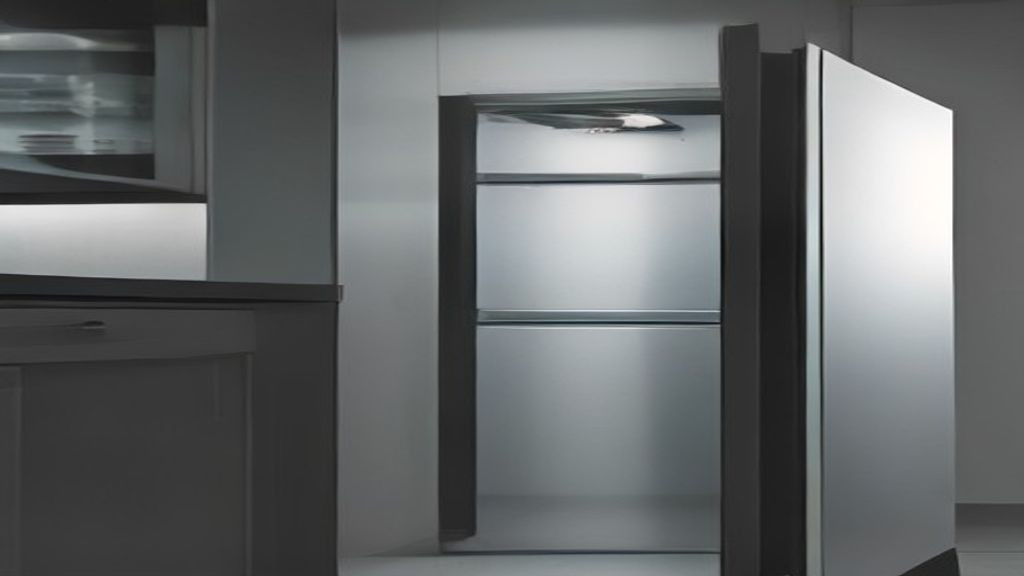
Measure the opening, not just the cabinet width you hope for. Note undercounter height under the finished counter, depth including handles and bumpers, and whether the toe kick or base trim will conflict with the unit's front. Leave room for the door or drawer swing and for staff to pull pans without blocking the aisle.
Undercounter refrigerators need breathing room for condensers. Confirm front-breathing versus rear- or side-venting on the cut sheet, then plan clearances to walls, equipment, and cabinetry accordingly. Poor airflow shows up later as warm product, long run times, and iced evaporators.
Width and capacity without fake numbers
Common commercial undercounter widths are often discussed in rough ranges such as roughly 24, 27, 36, 48, and 60 inches, but exact exterior dimensions vary by model and door count. Do not assume interior volume from width alone-shelving, drawer boxes, and insulation thickness change usable space. Always check the manufacturer's stated exterior dimensions and capacity for the exact SKU.
Electrical, drains, and leveling
Confirm voltage, plug type, and dedicated circuit needs on the spec sheet before install day. Many undercounter refrigerators are designed as self-contained units; if a model requires a condensate drain or optional evaporator pan accessories, plan that early. Level the cabinet carefully so doors seal and drawers track smoothly-warped floors are a common cause of seal leaks and noise complaints.
Temperature Recovery, Energy Use, and Daily Cleaning
Temperature recovery is how quickly the box returns to the safe refrigerated range after doors or drawers open. In a busy line, recovery matters more than a quiet idle temperature. Look for solid door seals, workable door or drawer habits for your staff, and a condenser that stays clean enough to reject heat during service.
Energy use rises when coils are dirty, seals are torn, or the unit is shoved into a hot alcove with blocked airflow. Compare Energy Star listings when available, but treat real-world placement and maintenance as equal partners to rated efficiency. A "efficient" unit installed without clearance will still run hard.
Practical recovery habits that protect food
Keep the unit for active line items, not overflow dry storage. Assign pans so staff open one door or drawer instead of hunting. Avoid blocking return air with overfilled shelves. If product near the door warms during rush while the thermostat still looks fine, check seals, loading, and ambient heat from nearby ovens or dishwashers before blaming the brand.
Cleaning routines that protect compressors
Wipe spills daily so sticky residue does not ruin gaskets. Clean door and drawer gaskets on a regular schedule and replace them when cracked or permanently compressed. Brush or vacuum condenser coils on the interval your manufacturer recommends-often more often in floury or greasy kitchens. Keep the front grille clear; cardboard, menus, and mop buckets are frequent airflow blockers.
How to Compare True Against Beverage-Air, Hoshizaki, and Similar Options
Build a side-by-side checklist: exterior width/depth/height, door vs. drawer count, listed temperature application (refrigerator vs. freezer), stainless finish details if published, warranty length on parts/labor/compressor, and service network in your city. Ask dealers for lead times and whether the exact model is front-breathing if you are flanking it with other equipment.
Price should include delivery, install, and any required accessories-legs or casters, drawer pans, locking kits, or backsplash options. The cheapest quote often excludes the extras you need to pass health inspection or fit the counter opening. For an undercounter refrigerator True buyers should also confirm current model numbers; commercial lines get updated, and older online photos can mislead.
Questions to ask the dealer before you commit
Request the current cut sheet and warranty PDF for the exact SKU. Ask about parts stock for gaskets, shelves, and drawer slides. Confirm whether the unit is intended for open kitchens with high ambient heat. If you are replacing a failed box, measure the old footprint and note whether the replacement must match existing utilities and counter cutouts.
Frequently Asked Questions
What should I look for in an undercounter refrigerator True model?
Start with measured width, depth, and height under your counter; choose doors or drawers based on how often staff open the unit; confirm ventilation type and clearances; then compare warranty, service access, and the manufacturer's listed capacity and electrical requirements for that exact model.
Are True undercounter refrigerators better than Beverage-Air or Hoshizaki?
Not automatically. True, Beverage-Air, Hoshizaki, and similar brands all sell capable commercial undercounter refrigerators. The better choice is the one that fits your opening, matches your workflow, has support nearby, and meets your budget after install-not the brand with the most recognition alone.
Do I need drawers or doors for a commercial undercounter fridge?
Choose drawers when the same few items are pulled constantly during service and you want to limit cold-air loss. Choose doors when you store a wider mix of containers and open the cabinet less often. Some kitchens use both styles in different stations.
How much clearance does an undercounter refrigerator need?
Follow the manufacturer's installation sheet for that model. Many undercounter units are front-breathing and still need a clear grille and enough room for doors or drawers to open fully. Blocking the condenser or sandwiching the cabinet in a hot enclosed space is a common cause of poor performance.
How often should I clean the condenser on an undercounter refrigerator?
Use the manufacturer's maintenance schedule as the baseline, then clean more often in greasy, dusty, or floury kitchens. A dirty condenser forces longer run times, higher energy use, and weaker temperature recovery during rush.
Can I use a residential undercounter fridge in a restaurant?
Commercial kitchens generally need commercial-rated refrigeration that can handle frequent door openings, warmer ambient conditions, and health-code expectations. A residential unit is usually a poor fit for restaurant line use; stick to commercial undercounter refrigerators from brands like True and their peers.
Conclusion
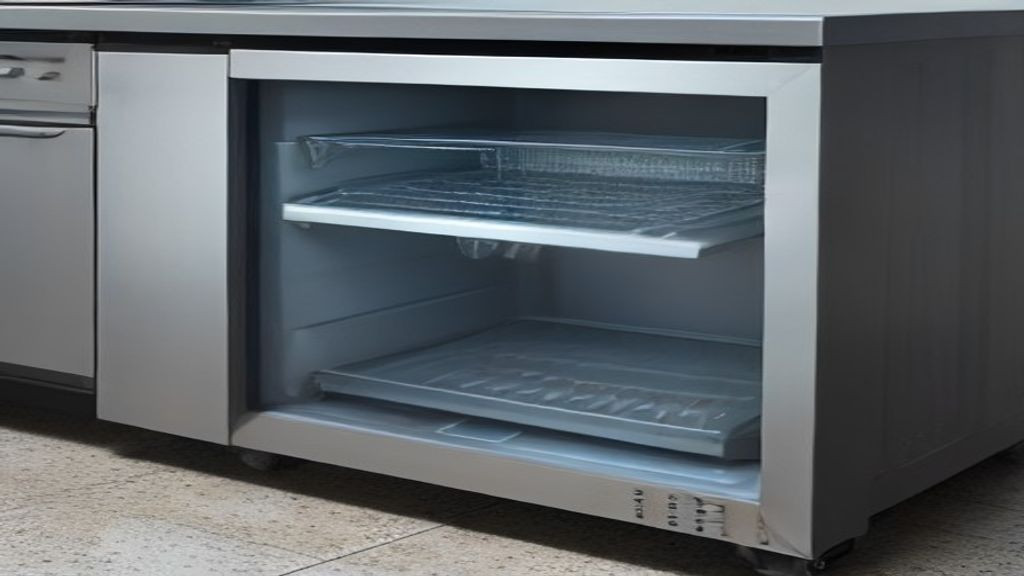
Choosing an undercounter refrigerator True unit-or deciding True is not the right fit-comes down to measured space, door vs. drawer workflow, ventilation, recovery under real service conditions, and a maintenance plan you will actually follow. Treat brand comparison with Beverage-Air, Hoshizaki, Platinum, and others as a checklist exercise, not a popularity contest.
Next step: measure your opening, list the products that must live in the box during peak, then request current cut sheets and warranties for two or three candidate SKUs. Confirm clearances and electrical with your installer before you buy so the refrigerator supports the line instead of fighting it.
Looking for a ready-to-order option? Explore this undercounter refrigerator true on HorecaStore.
Related Products & Guides
- True Commercial Undercounter Refrigerator
- Undercounter Refrigerator Commercial
- 48 Undercounter Refrigerator


Comments
Post a Comment